



Quick Summary
- Facelifts and thread lifts address facial aging in very different ways.
- Thread lifts provide temporary lifting for mild skin laxity.
- Facelifts address deeper structural aging and offer longer-lasting results.
- The right option depends on facial anatomy, expectations, and long-term goals.
If you’re researching ways to address facial sagging or aging, you may find yourself comparing a facelift to a thread lift. These two options are often discussed together, but they are fundamentally different procedures designed for various needs.
Understanding how each treatment works and what it can realistically achieve can help you avoid disappointment and choose the option that aligns with your goals rather than social trends.
Why Facelifts and Thread Lifts Are Often Confused
Facelifts and thread lifts are frequently grouped because both aim to improve facial laxity. However, the similarity often ends there.
Thread lifts are sometimes described online as a “non-surgical facelift,” which can be misleading. While both procedures may create a lifting effect, they work at different anatomical levels and produce very different outcomes over time.
This confusion can lead patients to choose a less appropriate option based on the appeal of minimal downtime rather than long-term effectiveness.
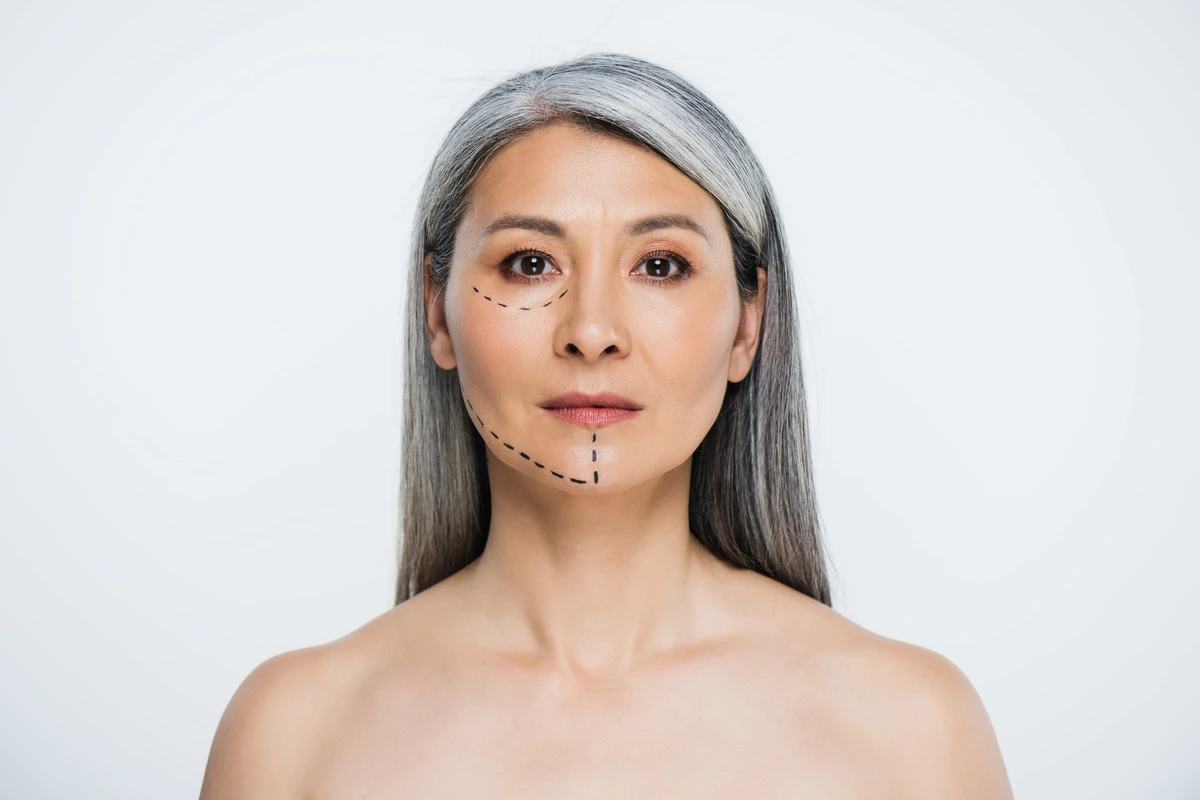


What a Facelift Actually Treats
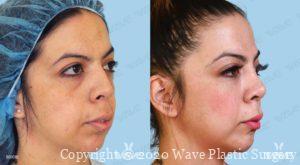
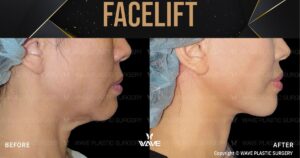
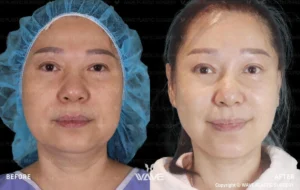
A facelift is designed to address structural facial aging, not just loose skin. As we age, changes occur beneath the surface: muscle laxity, fat repositioning, and volume descent all contribute to sagging in the midface, jawline, and neck.
Surgical facial rejuvenation works by repositioning deeper facial tissues and removing excess skin in a controlled, lasting way. This approach allows for more comprehensive correction and results that are intended to last for many years.
Facelifts are often recommended when facial sagging is moderate to advanced, or when patients are seeking a meaningful, long-term improvement rather than a temporary lift.

What a Thread Lift Can and Cannot Do
Thread lifts use dissolvable sutures placed beneath the skin to create a mild lifting effect. The threads stimulate collagen production and provide subtle tightening, particularly in patients with early signs of laxity.
For the right candidate, a thread lift may offer a short-term improvement with minimal downtime. However, it’s important to understand its limitations. Thread lifts do not reposition deeper facial structures, and their lifting effect typically diminishes as the threads dissolve.
Because of this, thread lifts are best suited for patients with very mild sagging who understand that results are temporary and modest.
Facelift vs Thread Lift: Key Differences at a Glance
| Feature | Facelift | Thread Lift |
|---|---|---|
|
Longevity |
Long-lasting results |
Temporary results |
|
Degree of Lift |
Moderate to significant |
Mild |
|
What It Treats |
Structural aging (muscle, fat, skin) |
Mild skin laxity |
|
Recovery |
Longer recovery period |
Minimal downtime |
|
Ideal Candidate |
Moderate to advanced aging |
Early signs of laxity |
This comparison highlights why the two procedures are not interchangeable, even though they are often discussed together.
Who Is a Better Candidate for Each Option?
Some patients may be good candidates for a thread lift, particularly if they are in the early stages of facial aging and are looking for subtle improvement without surgery.
Others may find that a facelift is the more appropriate option, especially if they are concerned about sagging along the jawline, cheeks, or lower face. In these cases, choosing a temporary solution may delay proper treatment and lead to frustration with underwhelming results.
A professional evaluation is the most reliable way to determine which approach aligns with your anatomy and expectations.
Is a Thread Lift as Effective as a Facelift?
A thread lift is not as effective as a facelift for treating moderate to advanced facial sagging. Thread lifts can offer short-term improvement for mild laxity, while facelifts address deeper structural aging and provide longer-lasting results. A consultation helps determine which option is appropriate.
Surgeon Perspective: Choosing the Right Path
From a surgical perspective, the most important factor is not choosing the least invasive option, but deciding the most appropriate one. Facial balance, aging patterns, and long-term outcomes should guide treatment decisions.
In some cases, non-surgical options can complement surgical care. In others, they may not provide the level of correction a patient is hoping for. Honest guidance helps prevent overtreatment, undertreatment, and dissatisfaction.
Still Unsure Which Option Is Right for You?
A consultation allows a facial specialist to assess your anatomy, goals, and long-term expectations before recommending treatment.
Get Your Consultation Today
Give us a call today to schedule your consultation with one of our plastic surgeons at Wave Plastic Surgery.
In Summary
Facelifts and thread lifts serve different purposes and are suited for individual stages of facial aging. Understanding how each option works and what it can realistically achieve can help you make a confident, informed decision rather than relying on trends or marketing claims.
Make an Informed Decision with Expert Guidance
Understanding the difference between a facelift and a thread lift helps you choose the option that aligns with your goals, not just short-term convenience.
Frequently Asked Questions
A thread lift is sometimes described as a non-surgical facelift, but the two procedures are very different. Thread lifts provide a temporary lift for mild skin laxity, while facelifts address deeper structural aging and offer longer-lasting results.
Thread lift results are temporary and typically last months to a couple of years, depending on the individual and technique. Facelift results are designed to last significantly longer by addressing underlying facial structures.
In some cases, a thread lift may provide short-term improvement for early aging. However, for patients with moderate sagging, a thread lift may not deliver the results they expect and could delay more appropriate treatment.
The best way to determine whether a facelift or thread lift is appropriate is through a consultation with a facial specialist who can assess your anatomy, aging pattern, and long-term goals.