


Facelift surgery can turn back the clock by a decade or more — but it cannot stop the aging process entirely. For patients who had a facelift years ago and are noticing familiar signs of aging returning, a natural question arises: can you do it again? The answer is yes, and for many patients in Los Angeles, Orange County, and San Francisco, a second or even third facelift procedure is not only possible but produces genuinely refreshing results when performed by the right surgeon.
Key Takeaways
- No hard limit exists: There is no fixed maximum number of facelifts a person can have — candidacy is determined by tissue quality, health status, and time elapsed since the prior procedure.
- Most patients have two to three: On average, patients who pursue repeat facelifts do so two to three times over a lifetime, spaced roughly 8–12 years apart.
- Technique determines longevity: A well-executed High SMAS or endoscopic facelift can deliver results lasting 10 years or more, reducing the need for early revision.
- Scar tissue changes the equation: Each subsequent procedure is more technically complex due to existing scar tissue — surgeon experience matters even more the second time.
- Non-surgical maintenance extends results: Consistent use of injectables, skin tightening treatments, and medical-grade skincare can significantly delay the need for revision surgery.
- Skin elasticity is the key variable: As skin loses elasticity with age, the results of each successive facelift may be less dramatic than the last — realistic expectations are essential.
- Board certification is non-negotiable: Revision facelift surgery should only be performed by a board-certified plastic surgeon with documented experience in secondary procedures.
Is There a Limit to How Many Facelifts You Can Have?
There is no universally fixed number. What limits repeat facelift surgery is not an arbitrary count, but the condition of a patient’s tissues, their overall health, and how much skin and structural integrity remain after prior procedures.
Most patients who pursue multiple facelifts undergo two to three procedures over the course of their lives. A fourth is possible but uncommon. Three tends to be a practical upper limit for most patients, because each surgery removes skin and repositions tissue — leaving progressively less material to work with over time.
The key insight is that the question “how many” matters far less than “how well.” A single poorly executed facelift can limit future options more than two or three expertly performed procedures. Choosing the right surgeon the first time protects your options for the long term.
Facelift Longevity by Technique
| Facelift Type | Typical Longevity | Tissue Addressed | Best Candidate |
|---|---|---|---|
| Wave Lift™ (Endoscopic Mini Facelift) | 7–10 years | SMAS muscle, mid-face | Early-to-moderate aging, 30s–early 50s |
| High SMAS Face & Neck Lift | 10–15 years | Deep SMAS, face and neck | Moderate-to-significant aging, 50s–70s |
| Mini Facelift | 5–8 years | Limited skin and tissue | Mild laxity, younger patients |
| Thread Lift | 1–2 years | Superficial tissue only | Non-surgical preference, early laxity |
| FaceTite (non-surgical) | 2–4 years | Subcutaneous fat, skin | Mild laxity, non-surgical candidate |
How Long Should You Wait Between Facelifts?
The general recommendation is to wait at least 8 to 12 years between full facelift procedures. This interval allows the deeper tissues, nerves, and scar architecture to fully mature — a process that continues well beyond the point when visible swelling resolves.
Operating too soon increases complication risk and can compromise the outcome of the revision. It also prevents an accurate assessment of how the face has actually aged since the last procedure. For patients interested in understanding the full scope of what recovery looks like, Wave’s facelift recovery timeline walks through the process week by week.
Patients who had a mini facelift or a less extensive procedure as their first surgery may find they are candidates for a more comprehensive facelift sooner, since less tissue was initially involved. Those who had extensive High SMAS work as a first procedure typically benefit from the full 10-plus-year interval.
Factors That Determine Candidacy for a Second Facelift
| Factor | What Surgeons Assess | Why It Matters |
|---|---|---|
| Skin elasticity | Ability to re-drape naturally after lifting | Thin, inelastic skin limits safe excision amount |
| Time since last procedure | Minimum 8–12 years for full facelift | Allows full tissue healing and scar maturation |
| Scar tissue quality | Location, thickness, and flexibility of prior scars | Affects dissection planes and complication risk |
| Overall health | Cardiovascular, wound healing, anesthesia tolerance | All elective surgery requires medical clearance |
| Volume loss | Fat atrophy in cheeks, temples, under-eye area | May need fat grafting alongside lift for complete result |
| Realistic expectations | Understanding that revision results may be less dramatic | Ensures patient satisfaction and appropriate planning |
What Makes a Second Facelift More Complex?
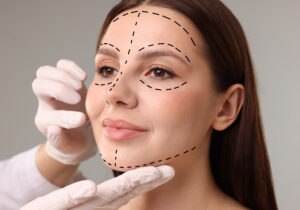
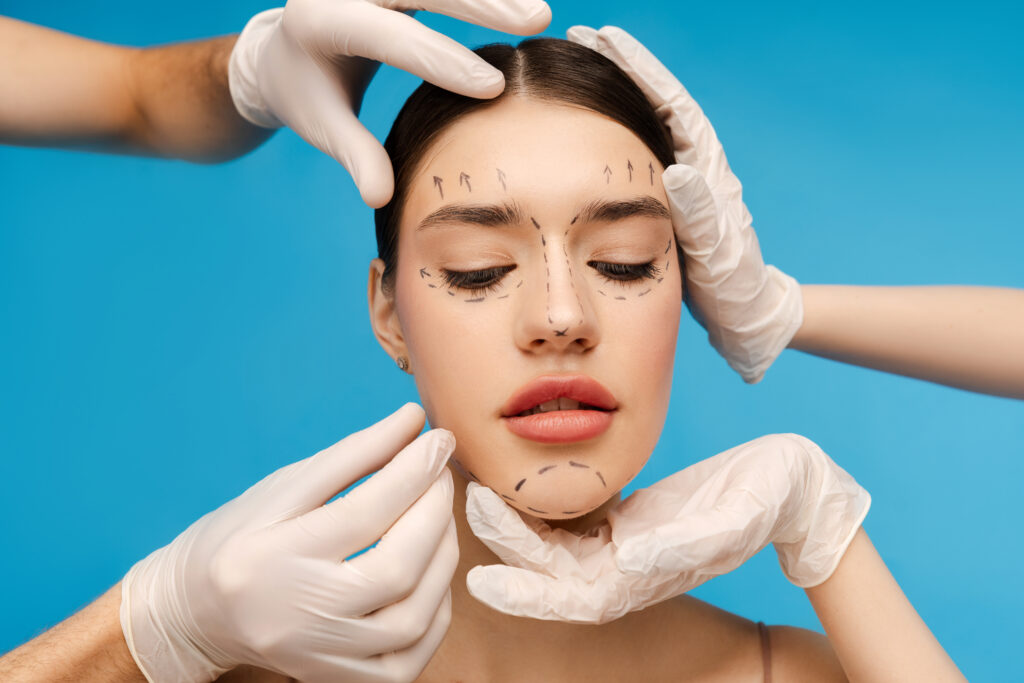
A revision facelift is technically more demanding than a primary procedure in several important ways. Scar tissue from the original surgery alters the tissue planes that surgeons rely on for safe dissection. Blood supply to the skin may be more restricted. Certain anatomical landmarks can be less distinct.
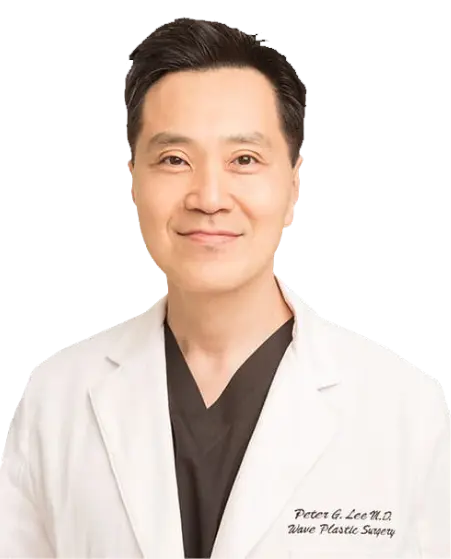
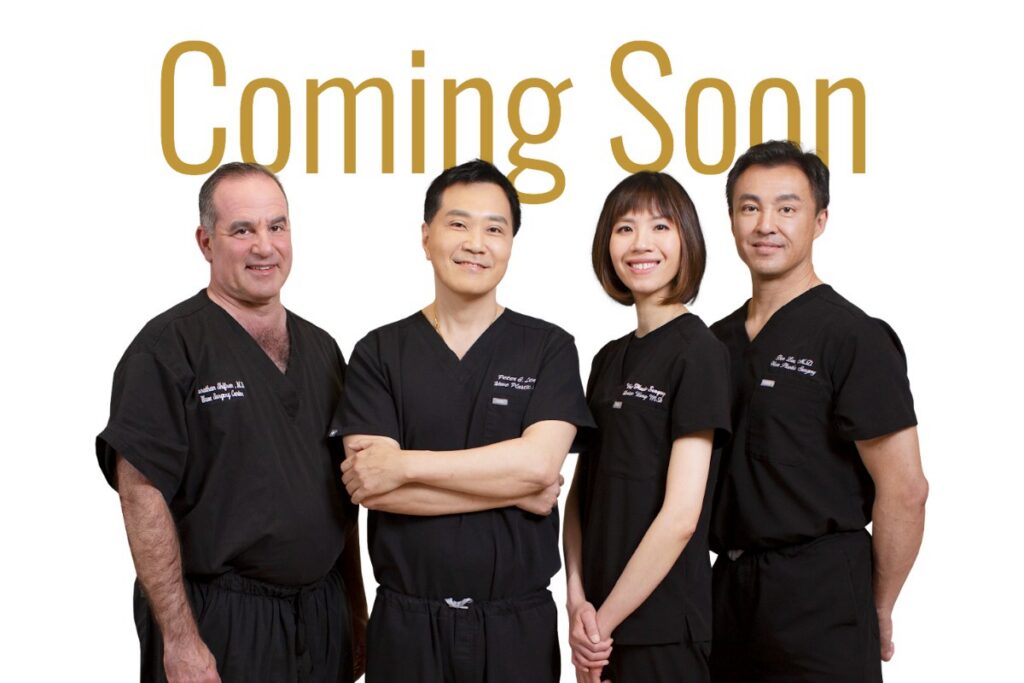
This is precisely why surgeon selection becomes even more critical with each subsequent procedure. As Dr. Peter Lee, Founder and Chief Surgeon at Wave Plastic Surgery, explains about his approach to facelift technique: “The key to any type of lifting in the face is not how much you actually pull and lift, but how much you really release the muscle before you pull. When you forcibly pull on something, there’s going to be a lot of resistance — and if there’s a lot of resistance, the tendency is that as time goes by, it’s going to fall back much quicker so the result won’t last as long.”
This philosophy of tissue release rather than aggressive pulling is central to why Wave’s primary procedures tend to hold longer — and why patients who come back for a second procedure are working with healthier, better-preserved tissue. The High SMAS Face and Neck Lift is built around this principle of anatomically precise repositioning rather than tension-based lifting.
What Results Can You Realistically Expect from a Repeat Facelift?
A second facelift can deliver meaningful, natural-looking rejuvenation — but patients should understand that it will not typically replicate the dramatic transformation of the first procedure. The face has already been significantly rejuvenated once. The goal of a revision is to maintain continuity, address what has genuinely recurred, and look refreshed rather than “redone.”
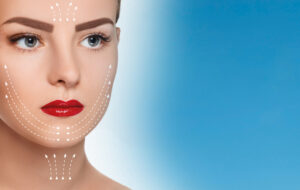
Modern facelift techniques have largely eliminated the pulled, wind-blown appearance that older approaches sometimes produced. Today’s procedures — including the Wave Lift™ — focus on repositioning tissue in the direction it naturally descended, which produces results that look appropriate and natural even in revision patients.
Patients evaluating whether surgery is the right next step, or whether non-surgical options might address their concerns, will find Wave’s comparison of surgical vs. non-surgical lifts a useful reference before scheduling a consultation.
The Role of Non-Surgical Maintenance Between Procedures
One of the most effective strategies for extending facelift results — and reducing the total number of procedures needed over a lifetime — is consistent non-surgical maintenance. Patients who invest in their skin between surgical procedures consistently see longer-lasting outcomes.
Neuromodulators address dynamic wrinkles that facelift surgery does not target. Dermal fillers restore the volume loss that develops gradually as fat atrophies beneath the skin. Skin tightening technologies like FaceTite and Ultherapy help maintain tissue firmness in the years between more significant interventions. Together, these options can meaningfully extend the interval between surgical procedures.
For patients weighing a thread lift as an interim option, Wave’s facelift vs. thread lift comparison explains when each approach is most appropriate. And for those curious about the full range of anti-aging treatment options, Wave’s facelift overview covers the full spectrum from minimally invasive to comprehensive surgical approaches.
Why Surgeon Experience Matters More for Revision Procedures
The gap between a good outcome and a problematic one widens significantly with revision facelift surgery. Patients should seek board-certified surgeons with specific, documented experience in secondary and tertiary facelift cases — not just primary procedures.
Dr. Peter Lee holds board certification through the American Board of Plastic Surgery, is a Fellow of the American College of Surgeons, and holds the Advanced ENDOTINE Bioskills Surgeon Educator and Trainer designation — one of the few surgeons in the world credentialed at this level. He regularly travels internationally to train other surgeons in advanced endoscopic techniques, bringing a depth of procedural knowledge that directly benefits revision patients.
Wave Plastic Surgery’s centers across Los Angeles, Orange County, Arcadia, Rowland Heights, and San Francisco are fully accredited by the Accreditation Association for Ambulatory Health Care (AAAHC), reflecting the practice’s commitment to patient safety at every location. If you’re still in the early stages of evaluating your readiness for any facelift — first or otherwise — Wave’s resource on signs you might be ready for a facelift is a helpful place to start.
Schedule Your Personalized Consultation
Considering a second facelift — or just starting to think about your options? Call Wave Plastic Surgery at (888) 674-3001 to schedule a personalized consultation at our Los Angeles, Orange County, or San Francisco locations. Dr. Peter Lee and his team will evaluate your anatomy, review your surgical history, and help you build a realistic, long-term plan for your best results.
References
- American Board of Plastic Surgery. Verify Certification. https://www.abplasticsurgery.org/
- American Society of Plastic Surgeons. Facelift Surgery. https://www.plasticsurgery.org/cosmetic-procedures/facelift
- National Library of Medicine, National Institutes of Health. Rhytidectomy. https://www.ncbi.nlm.nih.gov/books/NBK570628/
- Accreditation Association for Ambulatory Health Care. Accreditation Standards. https://www.aaahc.org/