


If you’ve been noticing early signs of facial aging — softening along the jawline, deepening nasolabial folds, or a slight heaviness in the cheeks — a mini facelift may be on your radar as a potential solution. It’s a procedure that promises meaningful rejuvenation with a shorter recovery than a traditional facelift, which naturally raises one of the first questions most patients have: how much does a mini facelift cost?
The answer, while genuinely helpful to understand, isn’t a simple number. Mini facelift pricing varies widely based on a range of factors, and understanding what drives that variation is just as important as knowing the range itself. This guide breaks down everything you need to know before scheduling your consultation.
What Is a Mini Facelift?
A mini facelift is a surgical procedure designed to address early to moderate signs of facial aging, particularly in the lower face and along the jawline. Unlike a full facelift, which addresses the entire face and neck with more extensive lifting of deeper tissue layers, a mini facelift uses more limited incisions — typically starting within the hairline at the temple and extending down to the upper portion of the ear — to create targeted improvement with a faster recovery.
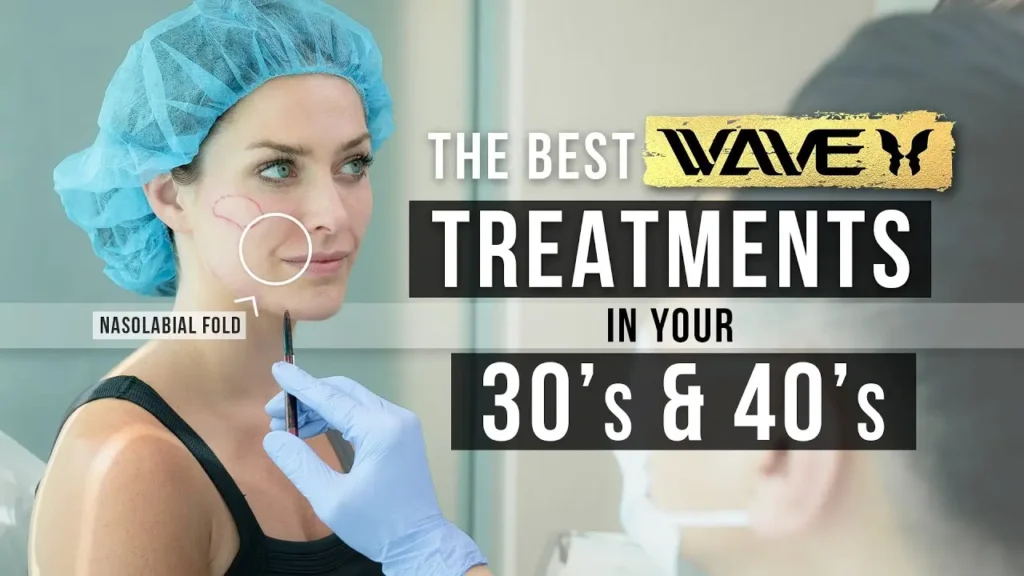
Common concerns addressed by a mini facelift include jowling, softening of the jawline definition, deepening of marionette lines at the corners of the mouth, and mild to moderate nasolabial fold depth. It’s particularly well-suited for patients in their 30s, 40s, and early 50s who have begun to notice changes but whose degree of aging doesn’t yet call for a more comprehensive procedure.
Because the incisions are more limited and the scope of tissue manipulation is more focused than a full face and neck lift, recovery is generally faster — many patients see approximately 80% of swelling resolve within two weeks.
How Much Does a Mini Facelift Cost?
Mini facelift costs typically range from $5,000 to $18,000 or more for the surgeon’s fee alone. This wide range reflects the significant variation in surgeon experience, technique sophistication, geographic location, and the specific complexity of each patient’s case.
It’s important to understand that these figures represent the surgeon’s fee only. Operating room fees, anesthesia costs, pre-operative testing, post-operative care, and garments are typically billed separately and are not included in the surgeon’s quote. When comparing prices, always ask for a comprehensive breakdown of all associated costs.
This cost range also reflects something that matters enormously for this type of surgery: a facelift is one of the most technically demanding procedures in facial plastic surgery, and results vary significantly from surgeon to surgeon. A highly experienced surgeon with advanced training and a proven track record will typically command a higher fee — and for good reason. The nuances of how tissue is released, repositioned, and secured have a profound impact on whether your results look natural and how long they last.
Choosing based on price alone carries real risk with facelift surgery. An outcome that requires revision — or that leaves you with visible scarring, asymmetry, or an unnatural appearance — will ultimately cost far more to correct than investing in a highly skilled surgeon from the start.
Key Factors That Influence Mini Facelift Pricing
Understanding what drives cost variation helps you ask the right questions during consultations and evaluate quotes more accurately.
Surgeon Experience and Training
The single most significant driver of cost is the surgeon’s experience and credentials. Board-certified plastic surgeons with extensive facelift-specific training, proven case volumes, and advanced technique expertise typically charge more than less experienced providers — and that premium reflects real, meaningful skill differentiation.
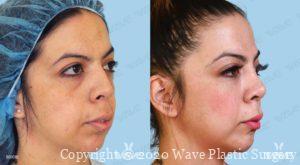
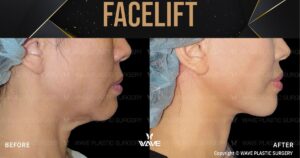
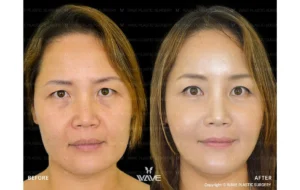
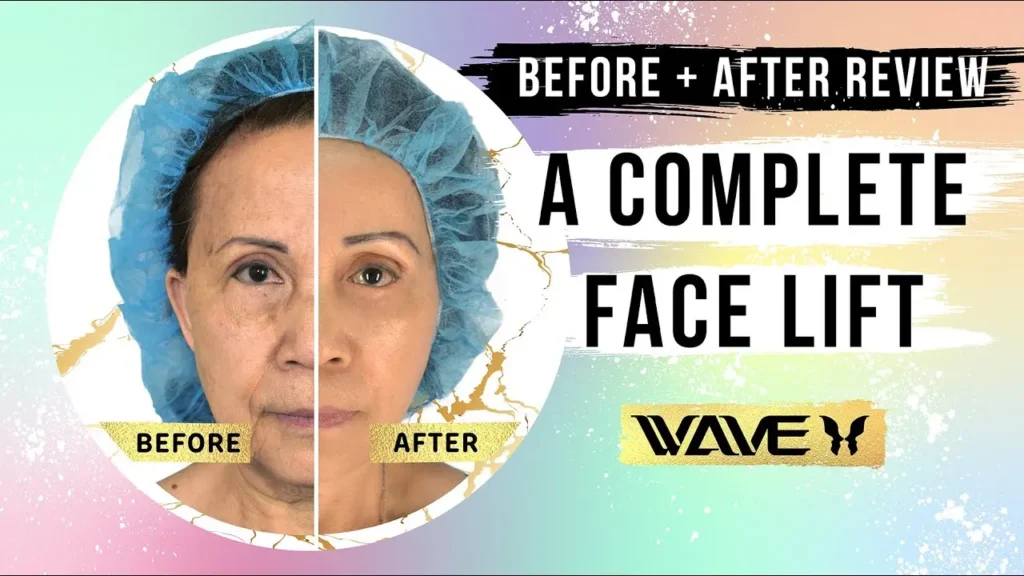
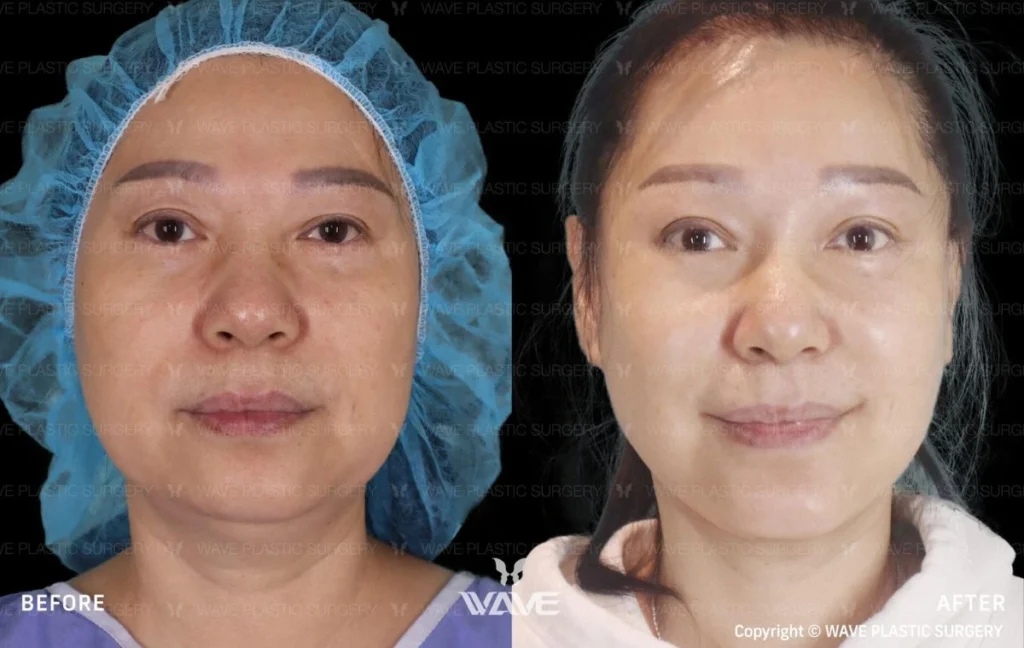
Facelift surgery is an area where technique matters enormously. The difference between a surgeon who simply pulls and tightens tissue versus one who methodically releases underlying attachments before repositioning creates dramatically different outcomes in terms of naturalness, definition, and longevity. Patients should review before-and-after galleries carefully and ask specifically about a surgeon’s approach during consultation.
Procedure Complexity
Not every mini facelift is the same. A patient with mild early jowling and good skin elasticity requires a different approach than one with more significant tissue laxity or anatomical complexity. More involved cases require more surgical time and greater technical precision, which is typically reflected in cost.
Some patients also combine a mini facelift with complementary procedures — such as a neck lift, blepharoplasty, or fat grafting — which will naturally affect the total investment.
Geographic Location
Where you have surgery matters. Practices in major metropolitan areas like Los Angeles, Orange County, and San Francisco generally have higher overhead and operate in markets where surgical expertise is in greater demand, both of which are reflected in pricing. Traveling to a lower-cost region to save money on a facelift is rarely advisable given the importance of consistent follow-up care and the significant risks involved if something requires correction.
Anesthesia Type and Facility Fees
Mini facelifts can be performed under IV sedation with local anesthesia or general anesthesia, depending on the patient’s comfort level and the surgeon’s recommendation. General anesthesia and hospital-based surgical suites both add to the overall cost compared to IV sedation in an accredited outpatient facility.
Mini Facelift vs. Full Facelift: How Do the Costs Compare?
If you’re weighing your options, it helps to understand how mini facelift pricing compares to more comprehensive procedures.
- Mini Facelift: $5,000–$18,000 or more (surgeon’s fee)
- Full Facelift: $8,000–$25,000 or more (surgeon’s fee)
- Face & Neck Lift: $13,000–$40,000 or more (surgeon’s fee)
A mini facelift costs less than a full facelift because it addresses a more limited area and typically involves less surgical time. However, it’s not appropriate for every patient. Someone who needs comprehensive repositioning of the neck and deeper facial tissues may find that a mini facelift delivers incomplete results — meaning they may eventually need a more extensive procedure anyway.
This is exactly why consultation with an experienced surgeon is so important before committing to any facelift variant. The cost of a mini facelift vs. a full facelift should always be considered in the context of which procedure will actually deliver the results you’re looking for — not simply which one carries a lower price.
What About Non-Surgical Alternatives?
Patients considering a mini facelift sometimes explore non-surgical options as either an alternative or a complement to surgery. It’s worth understanding what these approaches offer — and where their limitations lie.
Thread lifts ($2,000–$10,000) use dissolvable sutures to create a subtle temporary lift. Results are more limited than surgical lifting and typically last one to two years. They’re best suited for patients with very early changes or those who want a preview of lifting before committing to surgery. For a deeper comparison, our article on facelift vs. thread lift walks through the key differences.
FaceTite ($3,000–$9,000) uses radiofrequency energy to tighten skin and the underlying tissue layer with minimal incisions. It’s effective for mild laxity and early jowling but does not reposition underlying muscle and soft tissue the way surgical lifting does.
For patients who are not yet candidates for surgery or prefer to delay it, non-surgical options can offer meaningful interim improvement. For those ready for definitive, lasting results, surgery remains the gold standard. You can also compare surgical vs. non-surgical lift options to better understand which approach aligns with your goals.
The Wave Lift: A Specialized Endoscopic Approach to the Mini Facelift
At Wave Plastic Surgery, our approach to the mini facelift reflects a philosophy built around three core outcomes: naturalness, a definitive result, and longevity.
Our surgeons perform a signature procedure called the Wave Lift — an endoscopic mini facelift that uses a small camera inserted through limited incisions to dissect and reposition the underlying muscle layer with exceptional precision. The endoscopic approach allows the surgeon to visualize the surgical field in remarkable detail, often with greater clarity than is possible with the naked eye.
The key principle behind the Wave Lift — and one that distinguishes experienced facelift surgeons from less skilled practitioners — is that results depend far less on how forcefully tissue is pulled than on how thoroughly the underlying attachments are released first. When those connections are properly released before lifting, tissue glides naturally into a more youthful position, the result looks organic rather than distorted, and because residual tension on the repair is minimized, the longevity of the outcome is meaningfully extended.
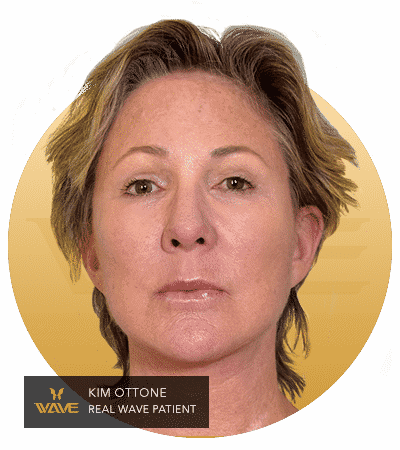
The Wave Lift is ideally suited for patients in their 30s, 40s, and early 50s dealing with early jowling, deepening nasolabial folds, loss of cheek fullness, and drooping at the corners of the mouth. Recovery is relatively swift — most patients see approximately 80% of their swelling resolve within the first two weeks — with some temporary tightness and mildly decreased facial sensation that typically resolves within six to eight weeks.
Is a Mini Facelift Worth the Cost?
For the right candidate, a mini facelift delivers results that no injectable, device, or non-surgical treatment can replicate — genuine structural repositioning of facial tissue that restores a more youthful contour in a way that lasts for years. Many patients describe it as one of the most confidence-restoring decisions they’ve made.
Value, however, isn’t just about the sticker price. It’s about what you receive for your investment. A well-executed mini facelift by a proven expert is worth considerably more than a lower-cost procedure that produces an unnatural appearance or requires expensive revision. Reviewing signs that you might be ready for a facelift can help you assess whether the timing is right for you.
For patients who want to manage the cost over time, Wave Plastic Surgery offers financing through PatientFi — a patient-focused financing partner with instant approval, no credit score impact to apply, and monthly payment plans designed to make the care you want genuinely accessible. We also offer a Price Match Guarantee: if you find a comparable procedure at a qualified, board-certified plastic surgery practice in California, we’ll match the price. Learn more about our price match program.
Schedule Your Personalized Consultation
The best way to understand what a mini facelift will cost for your specific situation — and whether it’s the right procedure for your goals — is to meet with one of our surgeons in person. During your consultation, we’ll evaluate your facial anatomy, discuss your concerns and desired outcomes, explore your procedure options, and provide a transparent, detailed quote with no surprises.
Wave Plastic Surgery serves patients throughout Los Angeles, Orange County, San Francisco, Arcadia, and Rowland Heights. Call us today at (888) 674-3001 to schedule your consultation and take the first step toward results you’ll love.
References
- American Society of Plastic Surgeons — Facelift Surgery Overview https://www.plasticsurgery.org/cosmetic-procedures/facelift
- American Board of Cosmetic Surgery — Facelift: What You Should Know https://www.americanboardcosmeticsurgery.org/procedure-learning-center/face/facelift-guide/
- National Library of Medicine — Rhytidectomy Techniques and Outcomes https://www.ncbi.nlm.nih.gov/books/NBK564375/
- U.S. Food & Drug Administration — Considering Cosmetic Surgery https://www.fda.gov/medical-devices/aesthetic-cosmetic-devices/considering-cosmetic-surgery