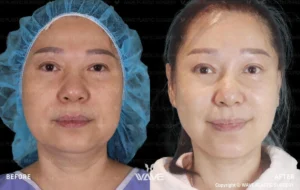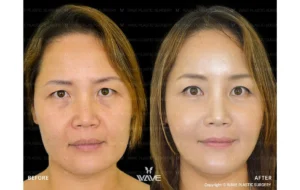



Deciding whether to pursue facelift surgery is a deeply personal choice that involves careful consideration of your aesthetic goals, lifestyle, and readiness for a surgical commitment. While non-surgical treatments like injectable fillers and Botox work wonderfully for some patients, others reach a point where these options no longer deliver the comprehensive improvement they’re seeking. If you’ve been contemplating facial rejuvenation but aren’t sure whether surgery is the right step, understanding the common indicators can help guide your decision.
At Wave Plastic Surgery, our board-certified plastic surgeons evaluate hundreds of patients each year who are considering facelift surgery. Through these consultations, we’ve identified consistent patterns that suggest when surgical intervention will provide the most satisfying, transformative results. While every patient’s situation is unique, certain signs reliably indicate readiness for facelift surgery.
Sign #1: Non-Surgical Treatments No Longer Deliver Satisfactory Results
One of the clearest indicators that you may be ready for facelift surgery is when the non-surgical treatments that once produced noticeable improvement now seem less effective or require increasingly frequent appointments to maintain results.
The Natural Progression of Facial Aging
Many patients begin their aesthetic journey with neuromodulators like Botox in their 30s or early 40s to soften expression lines. As Dr. Peter Lee explains regarding neuromodulators, achieving optimal results requires finding “that perfect dosage for you” through careful titration and follow-up. When used appropriately, these treatments effectively prevent and soften dynamic wrinkles for years.
As facial aging progresses, patients often graduate to dermal fillers to address volume loss and deeper folds. Injectable hyaluronic acid fillers can restore cheek fullness, soften nasolabial folds, and improve facial contours. Dr. Lee emphasizes that successful filler treatment often requires “mixing different products to address different areas and establish overall balance to the face.”
However, there comes a point in the aging process when injectables alone cannot address the fundamental structural changes occurring in your face. When skin has lost significant elasticity, when facial tissues have descended substantially, and when the underlying muscular support has weakened, adding volume or relaxing muscles provides only partial correction.
Recognizing Diminishing Returns
You may notice that your filler appointments are becoming more frequent, requiring larger volumes of product to achieve results that don’t last as long as they used to. Perhaps you’re experiencing what practitioners call “filler fatigue”—a sense that you’re constantly chasing a moving target, spending significant amounts on temporary fixes without achieving the refreshed appearance you desire.
This doesn’t mean your previous treatments were failures. Rather, it indicates that your facial aging has progressed to a stage where structural lifting provides more appropriate correction than volumization alone. Facelift surgery addresses the root cause of mid-face descent, jowl formation, and neck laxity—problems that fillers simply cannot fully correct.
The Tipping Point
If you find yourself considering increasingly aggressive filler treatments, contemplating areas you never thought you’d treat, or feeling disappointed with results that would have thrilled you a few years ago, these are strong indicators that surgical intervention may provide the comprehensive improvement you’re seeking.
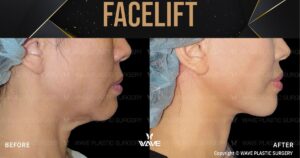
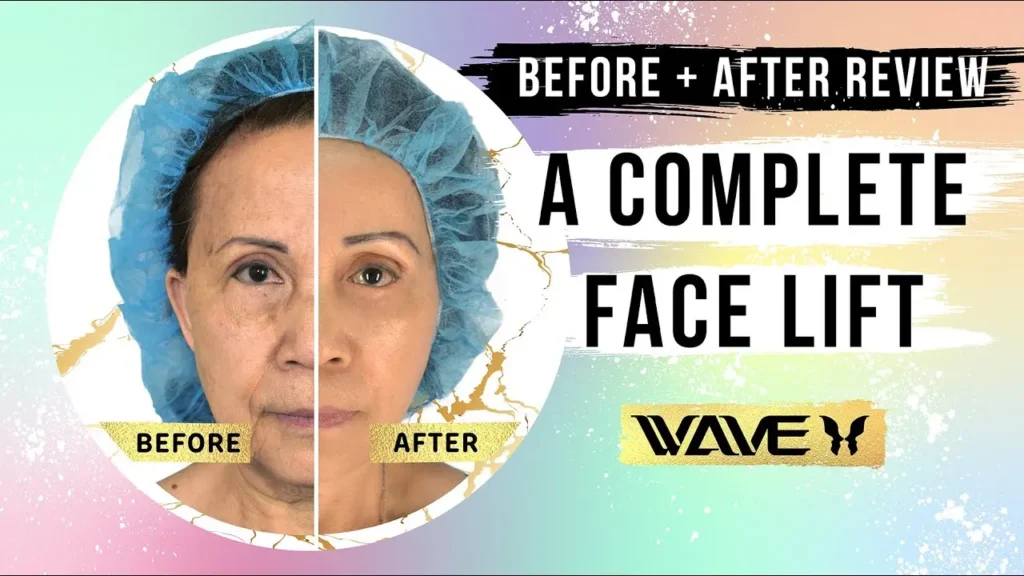
Many patients describe a moment of clarity when they realize they’re ready to move beyond temporary fixes to a more definitive solution. This recognition often comes during a consultation when they see before-and-after photos of surgical patients who had similar concerns and achieved the natural, refreshed appearance they’ve been trying to obtain with injectables.
Sign #2: You Have Significant Jowling and Loss of Jawline Definition
A well-defined jawline is one of the most important markers of facial youth and attractiveness. As Dr. Lee states regarding facelift surgery, “For practically every patient, the sharper the jawline is, the better that they will look. It does not look unnatural.”
Understanding Jowl Formation
Jowls form when facial tissues that once resided in the mid-face region descend due to gravity, loss of skin elasticity, weakening of facial ligaments, and changes in facial fat distribution. This descent creates excess tissue along the lower face that obscures the once-clean transition from face to neck.
The development of jowls typically begins subtly in the late 30s or early 40s with a slight softening of the jawline. As aging progresses through the 40s and 50s, jowls become more pronounced, creating a squared or bottom-heavy appearance to the lower face. By the 60s and beyond, jowls can be quite prominent, significantly altering facial proportions.
Why Non-Surgical Options Fall Short
While some practitioners promote non-surgical treatments for jowls, the reality is that these approaches have significant limitations. Filler placed along the jawline can create the illusion of better definition, but it doesn’t address the excess tissue that has descended—it simply adds more volume to an area that already has too much tissue in the wrong place.
Thread lifts can provide modest improvement in early jowling by mechanically lifting descended tissues. However, Dr. Lee notes that thread lifts work best for “patients with mild to moderate facial aging who aren’t quite ready for surgical intervention.” For significant jowls with substantial tissue descent, thread lifts simply cannot provide adequate correction.
Skin tightening treatments like Ultherapy or Morpheus8 improve skin quality and provide mild tightening but cannot reposition descended facial tissues or remove redundant skin. These technologies work best for prevention and early intervention rather than correction of established jowls.
Surgical Solutions for Jawline Restoration
Facelift surgery addresses jowls by releasing the deep attachments that prevent natural repositioning, lifting descended facial tissues back to their youthful location, securing these tissues in their elevated position, and removing redundant skin that cannot retract on its own.
Various facelift techniques can restore jawline definition. The Wave Lift uses endoscopic visualization to work beneath the SMAS (superficial musculoaponeurotic system) through limited incisions, making it ideal for patients in their 30s through early 50s with early to moderate jowling. The High SMAS Face and Neck Lift provides comprehensive correction for more advanced jowling and neck concerns.
The key principle underlying successful jowl correction is what Dr. Lee emphasizes: releasing tissues adequately before lifting them. “When we just pull on the muscle without releasing it, not a whole lot of movement occurs because of these attachments. In addition, when you forcibly pull on a muscle, it’s going to look like it’s been forcibly pulled so it looks unnatural.”
If you look in the mirror and notice that your jawline has lost its once-crisp definition, if you see excess tissue along your lower face creating jowls, or if you’re constantly adjusting your head position to create a more defined jawline in photos, these are clear signs that facelift surgery will provide dramatic, natural-looking improvement.
Sign #3: Your Neck Shows Visible Signs of Aging
The neck often ages faster than the face and is notoriously resistant to non-surgical improvement. If your neck shows significant aging—including loose skin, visible bands, or loss of the crisp angle between chin and neck—you’re likely an excellent candidate for surgical rejuvenation.
The Anatomy of Neck Aging
Several changes contribute to an aged neck appearance. The platysma muscle (a thin, sheet-like muscle that extends from the jawline down to the collarbone) weakens and separates in the midline, creating visible vertical bands. The skin loses elasticity and begins to sag, creating loose, crepey texture. Fat accumulates beneath the chin (submental fullness) or is lost from areas that previously provided youthful fullness. The cervicomental angle (the angle between the chin and neck) becomes more obtuse, losing the crisp definition of youth.
The “Turkey Neck” Dilemma
Many patients express frustration with what they describe as a “turkey neck”—loose, sagging skin with prominent bands that create an aged appearance regardless of how youthful their face may look. This condition is particularly troubling because it’s difficult to camouflage with makeup or hairstyles, and it’s often more noticeable in photos and video calls than when you look at yourself in the mirror.
Dr. Lee emphasizes in his teaching on face and neck lifts that “it’s at the lower part of the face and neck that we want to be aggressive because here, the more aggressive and cleaner the jawline is, the more tighter the neck is, the better somebody looks. It does not look unnatural.”
Limited Non-Surgical Options
Unlike facial aging, which can be partially addressed with fillers and neuromodulators, neck aging has few effective non-surgical solutions. Kybella injections can reduce submental fat but don’t address skin laxity or muscle banding. Skin tightening technologies provide modest improvement in skin texture but cannot reposition descended tissues or correct muscle bands.
Some practitioners offer “neck lifts” performed under local anesthesia through small incisions, but these limited procedures work best for younger patients with good skin quality and mild concerns—not for significant neck aging with loose skin and prominent bands.
Comprehensive Neck Rejuvenation
True neck rejuvenation requires surgical intervention that addresses all components of neck aging. A comprehensive neck lift typically includes liposuction to remove excess fat, platysmaplasty (tightening and suturing the platysma muscle) to correct banding, excision of excess skin to eliminate laxity, and proper redraping to restore the youthful cervicomental angle.
In most cases, neck rejuvenation is performed as part of a comprehensive facelift rather than as an isolated procedure. This combined approach ensures harmonious results between face and neck, avoiding the unnatural appearance that can occur when only one area is addressed.
If you’re bothered by loose neck skin, visible vertical bands, loss of definition between your chin and neck, or accumulation of fat beneath your chin that doesn’t respond to weight loss, facelift surgery with neck lifting component will provide the dramatic improvement you’re seeking.
Sign #4: Deep Nasolabial Folds and Marionette Lines Bother You
The lines that run from the nose to the corners of the mouth (nasolabial folds) and from the corners of the mouth down toward the chin (marionette lines) are among the most common aesthetic concerns patients bring to consultation. When these folds become deep and prominent, they can make you appear tired, sad, or older than you feel.
Understanding Facial Fold Formation
Contrary to popular belief, nasolabial folds and marionette lines aren’t simply wrinkles in the skin. These folds form primarily because of descent of mid-face tissues. When the cheek fat pads that once resided high on the cheekbone drop due to aging, they create a fold at the junction between the descended tissue and the tissue that remains more firmly attached to underlying structures.
The same process occurs with marionette lines. As lower facial tissues descend and jowls form, a fold develops at the corner of the mouth, creating lines that extend downward and give the mouth a downturned appearance. This is why simply filling these folds often produces disappointing or unnatural results—you’re adding volume to an area that already has too much tissue, just in the wrong location.
The Filler Trap
Many patients spend years and substantial amounts of money having these folds filled repeatedly, achieving temporary improvement that requires increasingly frequent touch-ups. Dr. Lee cautions that “everybody hates [the nasolabial fold] and everybody wants to get rid of it completely. However, the goal should never be to try to get rid of that line or else it would look extremely unnatural. And we have to be careful not to overfill this area because if you overfill it, it does look unnatural.”
There’s a point at which continuing to fill deep nasolabial folds and marionette lines becomes counterproductive. Overfilling can create an unnatural, pillowy appearance. The filler can migrate or create irregularities. And fundamentally, you’re not addressing the root cause of the problem—descended mid-face tissues.
Surgical Correction for Natural Results
Facelift surgery addresses nasolabial folds and marionette lines by correcting the underlying cause rather than simply filling the depression. By releasing facial ligaments and lifting descended cheek tissues back to their youthful position, the fold naturally softens without requiring filler.
Dr. Lee explains this approach: “For most patients, when we treat the nasolabial fold, we don’t treat just the nasolabial fold. We actually treat the cheek area because a lot of times it’s the cheek that fell. And therefore, by filling that area, we help lift up the cheek naturally and fill in the nasolabial fold more naturally.”
The surgical approach to these concerns involves several steps: releasing the retaining ligaments that tether mid-face tissues to bone, elevating the malar (cheek) fat pad back to its youthful position on the cheekbone, securing these tissues in their elevated location, and redraping skin to eliminate redundancy.
Various facelift techniques address these concerns effectively. The Wave Lift specifically targets mid-face rejuvenation and is particularly effective for patients whose primary concerns are nasolabial fold depth and loss of cheek fullness. More comprehensive facelift techniques address the entire face, ensuring balanced, harmonious results.
The goal is never to completely eliminate these folds—everyone has some degree of nasolabial fold, and completely effacing them creates an unnatural, operated appearance. Rather, surgery softens these folds to the degree they would have appeared when you were younger, creating a refreshed, natural result.
If you’ve been filling your nasolabial folds and marionette lines repeatedly with diminishing satisfaction, if these folds are deep enough to cast shadows in photographs, or if you notice that these lines make you look sad or stern even when you’re happy, surgical intervention will provide more natural, longer-lasting correction than continued filler treatments.
Sign #5: You’re Psychologically and Practically Ready for Surgery
Beyond the physical signs of facial aging, readiness for facelift surgery includes emotional, psychological, and practical considerations. The decision to undergo elective surgery shouldn’t be taken lightly, and ensuring you’re ready in all aspects will contribute to a positive experience and satisfying outcome.
Emotional Readiness
Patients who achieve the most satisfaction from facelift surgery typically share certain emotional characteristics. They have realistic expectations about outcomes—understanding that surgery will help them look like a younger, refreshed version of themselves rather than a completely different person. They’ve thoroughly researched the procedure and understand both the benefits and limitations of surgical intervention.
These patients are undergoing surgery for themselves, not to please a partner, compete with friends, or meet external pressure. They view the procedure as an investment in their confidence and well-being rather than a desperate attempt to stop aging entirely. They understand that while results are long-lasting, they’re not permanent, and they’ll continue to age after surgery.
Practical Considerations
Beyond emotional readiness, practical factors indicate whether this is the right time for facelift surgery. You should have adequate time available for recovery—typically three weeks for most swelling to resolve, though some residual swelling continues for several months. Your work and family obligations should allow for this recovery period without undue stress.
Financial readiness is also important. Facelift surgery is an investment, typically ranging from $15,000-$30,000 depending on the extent of surgery and geographic location. Wave Plastic Surgery offers financing through PatientFi to make surgery more accessible, but you should have a clear financial plan in place before proceeding.
Your health status should be optimized before surgery. Uncontrolled medical conditions like diabetes, high blood pressure, or cardiovascular disease increase surgical risks. Smoking significantly impairs healing and increases complication rates—you must be willing to stop smoking for several weeks before and after surgery. A realistic assessment of your health and willingness to optimize it demonstrates readiness for surgery.
The Right Mindset
Patients who achieve the best outcomes approach facelift surgery with a balanced, informed perspective. They’ve had thorough consultations with board-certified plastic surgeons and understand what the procedure entails. They’ve reviewed extensive before-and-after photos and have realistic expectations about their potential results.
They view the recovery period as an investment in their long-term outcome rather than an inconvenience to be rushed through. They’re committed to following post-operative instructions carefully, attending all follow-up appointments, and being patient with the healing process.
Dr. Lee emphasizes that successful outcomes require partnership between surgeon and patient: “From a clinical side, the doctors will always be more on the conservative side with the dosage. And that’s why it’s very important that especially if it’s your first time… you always follow-up about two weeks later for reassessment.” This same principle applies to surgical procedures—maintaining open communication with your surgeon and attending all follow-up appointments ensures optimal results.
Support System
Having a strong support system in place indicates readiness for surgery. You’ll need someone to drive you home after surgery and ideally stay with you for at least the first 24 hours. Having help with daily activities during the first week of recovery makes healing more comfortable and allows you to rest adequately.
Emotional support is equally important. Whether from family, friends, or online communities of patients who’ve undergone similar procedures, having people who support your decision and can provide encouragement during recovery contributes to a positive experience.
Timing Considerations
Sometimes external factors influence surgical timing. Many patients choose to schedule surgery during naturally quiet periods in their social calendars—after major holidays, before summer vacation, or when work commitments are lighter. Starting the year with surgical rejuvenation allows you to enjoy progressive improvement throughout the months ahead.
Seasonal considerations may also play a role. Some patients prefer cooler months for surgery to avoid sun exposure during healing. Others prefer specific timing that allows them to be healed for important events like weddings, reunions, or vacations.
If you’ve been thinking about facelift surgery for months or years, have thoroughly researched your options, have realistic expectations about outcomes and recovery, and have the practical resources in place to proceed, you’re likely ready to take the next step and schedule a consultation.
Additional Indicators You May Be a Good Candidate
Beyond the five primary signs discussed above, several other factors suggest you’ll achieve excellent results from facelift surgery.
Age and Skin Quality
While there’s no “ideal” age for facelift surgery, most patients are between 40 and 70 years old. However, biological age matters more than chronological age—some people show significant aging in their 40s while others maintain youthful features well into their 60s.
Skin quality plays an important role in outcomes. Patients with good skin elasticity and relatively healthy skin achieve the best results from facelift surgery. Sun damage, smoking history, and genetic factors all influence skin quality. During your consultation at Wave Plastic Surgery, your surgeon will assess your skin quality and discuss realistic expectations based on your individual characteristics.
Overall Health Status
Good general health is essential for safe surgery and optimal healing. During your consultation, you’ll undergo a thorough medical evaluation to ensure you’re healthy enough for elective surgery. Conditions like well-controlled diabetes or high blood pressure typically don’t preclude surgery, but uncontrolled medical problems may require optimization before proceeding.
Maintaining a stable weight is also important. Significant weight fluctuations after facelift surgery can affect your results. Patients who are at or near their goal weight and able to maintain that weight long-term achieve the most enduring outcomes.
Commitment to Long-Term Maintenance
While facelift results are long-lasting, maintaining your outcome requires ongoing skincare, sun protection, and potentially periodic non-surgical treatments. Patients who are committed to protecting their investment through proper skincare and healthy lifestyle habits enjoy their results longer.
Many patients enhance and maintain their surgical results with periodic Botox treatments to prevent new expression lines, strategic filler placement as needed to maintain volume, laser treatments to optimize skin texture and tone, and professional skincare products to support skin health.
What Happens During a Facelift Consultation
If you recognize several of these signs in yourself and believe you may be ready for facelift surgery, the next step is scheduling a comprehensive consultation with a board-certified plastic surgeon. Understanding what to expect during this consultation will help you prepare and make the most of this important appointment.
Comprehensive Facial Analysis
Your surgeon will conduct a detailed examination of your facial structure, skin quality, degree of aging in different facial zones, and overall facial proportions and balance. This analysis helps determine which facelift technique will best address your specific concerns.
At Wave Plastic Surgery, we use advanced diagnostic tools including the VISIA skin analysis system to evaluate skin quality, hydration levels, sun damage, and underlying concerns not visible to the naked eye. This comprehensive assessment allows for more accurate treatment planning.
Discussion of Goals and Expectations
Your consultation includes an in-depth conversation about your aesthetic goals, concerns you’d most like to address, expectations for improvement, and any previous cosmetic treatments you’ve tried. Your surgeon will explain which concerns can be addressed with facelift surgery and which might require additional or alternative treatments.
Reviewing extensive before-and-after photos of patients with similar concerns helps establish realistic expectations about your potential outcomes. Dr. Lee emphasizes the importance of this process: “Whenever I do a consultation regarding upper eyelid, my first request is always for patients to show me couple of pictures of eyes that they find attractive. The picture will tell me a lot about what they consider to be an attractive [result].”
Medical History Review
A thorough review of your medical history, current medications, previous surgeries, smoking history, and any conditions that might affect surgery or healing ensures that surgery can be performed safely. Be completely honest during this discussion—your surgeon needs accurate information to protect your safety.
Treatment Recommendations
Based on the comprehensive assessment, your surgeon will recommend specific treatment options that align with your goals. This may include a single facelift procedure or a combination of treatments for optimal results. Your surgeon will explain the recommended technique, why it’s appropriate for your situation, what you can realistically expect for improvement, and the recovery process and timeline.
At Wave Plastic Surgery, our surgeons offer multiple facelift techniques including the Wave Lift endoscopic facelift, High SMAS Face and Neck Lift, and thread lift options. This comprehensive menu of options ensures you receive the most appropriate recommendation for your individual needs rather than a one-size-fits-all approach.
Schedule Your Personalized Consultation
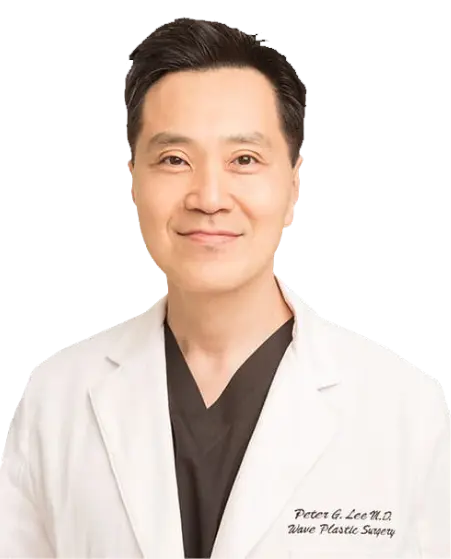
If you recognize several of these signs and believe you may be ready for facelift surgery, we invite you to schedule a comprehensive consultation at Wave Plastic Surgery. Our board-certified plastic surgeons—Dr. Peter Lee, Dr. Ben Lee, Dr. Denise Wong, and Dr. Jonathan Shifren—have decades of combined experience in facial rejuvenation surgery and are committed to helping you achieve natural, beautiful results.
During your consultation, we’ll conduct a thorough evaluation of your facial anatomy and aging patterns, discuss your specific concerns and aesthetic goals, explain which techniques can best achieve your desired outcome, provide realistic expectations about results and recovery, and answer all your questions in an unhurried, supportive environment.
Wave Plastic Surgery serves patients throughout California with convenient locations in Los Angeles, Costa Mesa, San Francisco, Arcadia, and Rowland Heights. All our surgical facilities are accredited by the Accreditation Association for Ambulatory Health Care (AAAHC), ensuring the highest standards of safety and quality.
We understand that choosing to undergo facelift surgery is a significant decision. Our team is dedicated to providing you with the information, expertise, and compassionate care you need to make confident choices about your aesthetic journey. Contact us today at (888) 674-3001 to schedule your consultation and take the first step toward renewed confidence and a more youthful appearance.
References
- American Society of Plastic Surgeons – Facelift Candidate Assessment – https://www.plasticsurgery.org/cosmetic-procedures/facelift
- American Board of Plastic Surgery – Board Certification Standards – https://www.abplasticsurgery.org/
- Aesthetic Surgery Journal – Patient Selection for Facial Rejuvenation – https://academic.oup.com/asj
- Accreditation Association for Ambulatory Health Care – Safety Guidelines – https://www.aaahc.org/