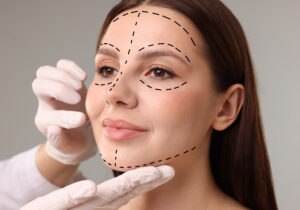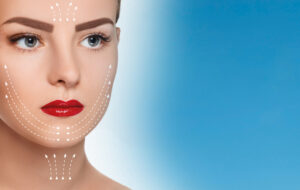




The term “weekend facelift” has become increasingly popular in cosmetic surgery discussions, promising facial rejuvenation with minimal downtime that fits into a busy lifestyle. But what exactly does this term mean, and is it the right option for your aesthetic goals? At Wave Plastic Surgery, we believe in providing patients with clear, accurate information about all facial rejuvenation options so you can make informed decisions about your care.
The concept of a weekend facelift appeals to many people who want to look refreshed and younger but can’t afford extended time away from work, family, or social obligations. Understanding what this term actually encompasses—and what results you can realistically expect—is essential before moving forward with any facial rejuvenation procedure.
Understanding the “Weekend Facelift” Terminology
The term “weekend facelift” is more of a marketing phrase than a specific surgical technique. It generally refers to facial rejuvenation procedures that promise quicker recovery times than traditional facelift surgery, theoretically allowing you to have the procedure on Friday and return to work by Monday. However, the reality is more nuanced than this simplified timeline suggests.
Several different procedures fall under the weekend facelift umbrella, each with varying techniques, recovery periods, and longevity of results. These include mini facelifts, thread lifts, and certain minimally invasive surgical techniques. Understanding the differences between these approaches will help you determine which option best aligns with your goals and expectations.
At Wave Plastic Surgery, we prefer to discuss specific procedures rather than using vague terminology. Our board-certified plastic surgeons will evaluate your individual anatomy, degree of aging, and aesthetic objectives to recommend the most appropriate treatment, whether that’s a minimally invasive option or a more comprehensive surgical approach.
Thread Lifts: The Least Invasive Option
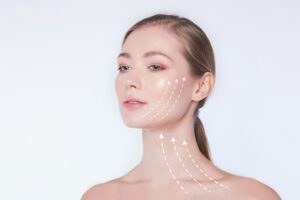
Thread lifts represent one of the least invasive options often marketed as a weekend facelift. This procedure uses specialized sutures to lift and reposition sagging facial tissues without extensive incisions or tissue removal.
How Thread Lifts Work
As Dr. Peter Lee explains from his extensive experience with thread lifting, “Using the thread causes tissue contraction. It also causes new collagen growth or neocollagenesis. And through that, it also volumizes.” Thread lifts don’t simply pull skin tighter—they stimulate your body’s natural healing response to create structural support and volume over time.
Modern thread lift procedures use PDO (polydioxanone) threads, the same material used in absorbable surgical sutures. These threads come in various types, each serving different purposes. Barbed threads mechanically lift tissue through tiny projections that grip underlying structures. Smooth threads provide support and stimulate collagen production. Twisted threads are ideal for volumizing deeper lines like nasolabial folds.
Wave Plastic Surgery offers two main thread lift approaches. The Flash Lift combines both anchoring threads (fixed to deep facial structures) and floating threads (embedded just beneath the skin) for comprehensive lifting. The New Lift uses only floating threads for more subtle enhancement in patients with lighter facial tissues.
Recovery and Results from Thread Lifts
Thread lift recovery is relatively quick compared to surgical facelifts. Swelling typically lasts one to two weeks, and bruising, while uncommon, resolves within three to four days if it occurs. Most patients can return to desk work within a few days, though you’ll need to minimize facial expressions for the first three to four weeks while the threads incorporate into your tissue.
Post-procedure instructions include avoiding yawning, excessive smiling, and opening your mouth too wide for several weeks. You’ll also need to avoid hard foods initially and postpone hair coloring or perming for about a month. These restrictions are temporary but essential for optimal results.
Dr. Lee notes that “everybody is different” when it comes to thread lift results. Patients seeking more dramatic outcomes will achieve longer-lasting results but may experience more swelling initially. Those preferring subtle, natural enhancement will recover more quickly but may see results fade sooner. On average, thread lift results last one to two years, making this a good option for patients who want to test facial rejuvenation before committing to surgery.
Ideal Candidates for Thread Lifts
Thread lifts work best for patients with mild to moderate facial aging who aren’t quite ready for surgical intervention. You should have relatively good skin quality with some elasticity remaining. Thread lifts are excellent for patients in their 30s, 40s, and early 50s who are beginning to notice early jowling, mild cheek descent, or loss of jawline definition.
However, thread lifts have limitations. They cannot address significant skin excess, advanced jowling, or substantial neck laxity. Patients with very thin skin, heavy facial tissues, or advanced aging typically achieve better results with surgical options. An honest consultation with a board-certified plastic surgeon will help determine whether thread lifting can achieve your desired outcome.
The Wave Lift: Endoscopic Mini Facelift
For patients who need more comprehensive improvement than thread lifts provide but want faster recovery than traditional facelift surgery, the Wave Lift offers an excellent middle ground. This endoscopic facelift technique was developed by Dr. Peter Lee and represents a truly minimally invasive surgical approach to facial rejuvenation.
The Wave Lift Technique
The Wave Lift addresses the fundamental problem with facial aging: tissue descent caused by weakening of supporting structures. Rather than simply pulling skin tighter, this technique uses advanced endoscopic technology to release the deep attachments that prevent natural lifting.
Dr. Lee emphasizes that “the key to any type of lifting in the face is not how much you actually pull and lift, but it’s about how much you really release that muscle before you pull.” This philosophy guides the Wave Lift approach. By thoroughly releasing facial ligaments and attachments using an endoscopic camera for enhanced visualization, tissues can be repositioned naturally without excessive tension.
The incision for a Wave Lift begins inside the hairline at the temple and extends down to the upper portion of the ear. Through this limited incision, the surgeon dissects beneath the skin and then uses a high-definition endoscopic camera to work beneath the SMAS (superficial musculoaponeurotic system), the muscular layer that provides structural support to facial tissues.
The endoscopic approach offers significant advantages. The camera provides magnified, illuminated visualization that’s often superior to direct vision, allowing for precise release of ligaments and repositioning of tissues. This precision translates to more natural-looking results with less tissue trauma and faster healing.
Recovery Timeline for Wave Lift
While marketed as a “mini” facelift, the Wave Lift is still a surgical procedure requiring appropriate recovery time. Most patients need approximately two weeks for about 80% of swelling to subside. At this point, with modest makeup application, most people won’t obviously notice you’ve had surgery.
Complete healing takes longer, with final results becoming apparent over several months as residual swelling resolves and tissues settle into their new position. However, because the Wave Lift involves less extensive dissection than traditional facelift surgery, recovery is notably faster.
The procedure is typically performed under IV sedation with local anesthesia, though general anesthesia is available based on patient preference. Surgery takes approximately 90 minutes. Post-operative discomfort is generally mild, described as tightness rather than pain. Temporary numbness of facial skin lasts about six to eight weeks as sensory nerves recover.
Sutures are removed after 10-14 days, and you’ll wear a head bandage for approximately two days following surgery. After bandage removal, you can wash your hair and shower normally. Most patients feel comfortable returning to work and social activities after two to three weeks.
Expected Results from Wave Lift
The Wave Lift provides natural, definitive improvement that lasts significantly longer than non-surgical options. Results typically endure 7-10 years, making this procedure an excellent investment for patients seeking long-lasting rejuvenation.
This technique particularly excels at creating a smooth mid-face contour, softening nasolabial folds, eliminating early jowls, and restoring jawline definition. The endoscopic approach allows for precise lifting without the “pulled” or “overdone” appearance sometimes associated with older facelift techniques.
Dr. Lee notes that achieving these results requires three essential elements: “Number one is naturalness. Second is a definitive result, meaning a definite real result, not just a mild result. And third is longevity. Not one of those results that’s gonna last one or two years, but really we’re shooting for seven to ten years.”
Ideal Candidates for Wave Lift
The Wave Lift is ideal for patients in their 30s, 40s, and early 50s experiencing early to moderate signs of facial aging. You’re a good candidate if you have noticeable mid-face descent, deepening nasolabial folds, early jowl formation, or loss of jawline definition, but don’t yet have significant neck laxity or excessive skin redundancy.
Many Wave Lift candidates have tried non-surgical treatments like dermal fillers and Botox with initially satisfying results but find these treatments becoming less effective as aging progresses. The Wave Lift provides the next level of intervention before a full facelift becomes necessary.
Traditional Mini Facelift Approaches
Beyond the Wave Lift, several other surgical techniques fall under the mini facelift category. These generally involve shorter incisions than full facelifts but still address the SMAS layer for lasting results.
Limited-Incision SMAS Lift
This approach uses incisions similar to the Wave Lift but employs direct visualization rather than endoscopic assistance. The surgeon releases and repositions the SMAS layer through limited incisions, removing excess skin to create smoother contours. Recovery is comparable to the Wave Lift, typically requiring two to three weeks before returning to normal activities.
Short-Scar Facelift
The short-scar facelift uses incisions that end at the earlobe rather than extending behind the ear. This technique works well for patients with good neck contours who need mid-face and jowl improvement but don’t require significant neck lifting. The abbreviated incision means less scarring, though the trade-off is reduced ability to address lower face and neck concerns.
S-Lift or Mini-Lift
These techniques use an S-shaped incision around the ear to lift and reposition facial tissues. They’re effective for mild to moderate aging but have limitations in addressing neck laxity or significant jowling. Recovery is relatively quick, usually allowing return to most activities within two weeks.
Combining Procedures for Optimal Results
Many patients achieve their best results by combining surgical and non-surgical approaches. For example, a Wave Lift might be performed alongside fat grafting to restore lost facial volume, creating more comprehensive rejuvenation.
Similarly, patients often combine mini facelifts with upper eyelid surgery or brow lift procedures to address aging throughout the upper and mid-face regions. This combined approach produces harmonious results and can be more efficient than staging multiple separate procedures.
Non-surgical treatments also complement surgical results. Many surgeons recommend optimizing skin quality with laser treatments, chemical peels, or radiofrequency microneedling either before or after surgical procedures. These treatments improve skin texture, tone, and tightness, enhancing your overall aesthetic outcome.
What a “Weekend Facelift” Cannot Do
Setting realistic expectations is crucial when considering any facial rejuvenation procedure. While the term “weekend facelift” suggests minimal disruption to your life, it’s important to understand the limitations of less invasive approaches.
Thread lifts and mini facelifts cannot address significant excess skin. If you have substantial jowling, pronounced neck bands, or severe mid-face descent, these procedures will likely provide disappointing results. In such cases, a more comprehensive surgical approach like a full facelift and neck lift will deliver the dramatic improvement you’re seeking.
Additionally, no facial rejuvenation procedure, regardless of invasiveness, can stop the aging process. You’ll continue to age after any procedure, though you’ll always look better than you would have without intervention. Maintaining results requires ongoing skincare, sun protection, and possibly periodic non-surgical treatments.
Finally, the “weekend” recovery timeline is somewhat optimistic for most patients. While you may be able to return to work after several days with thread lifts or within two weeks with mini surgical procedures, you’ll likely have residual swelling, potential bruising, and movement restrictions that extend beyond a simple weekend. Planning for adequate recovery time ensures optimal healing and results.
How to Choose the Right Procedure
Selecting the appropriate facial rejuvenation approach requires careful consideration of multiple factors. Your age, degree of aging, skin quality, lifestyle, and personal goals all influence which procedure will serve you best.
Schedule consultations with board-certified plastic surgeons who offer a full range of options, from non-surgical treatments to comprehensive surgical procedures. A surgeon who only performs one type of procedure may be biased toward recommending that approach regardless of whether it’s optimal for your situation.
During your consultation at Wave Plastic Surgery, your surgeon will conduct a thorough facial analysis, discuss your concerns and goals, review your medical history, and explain which procedures can realistically achieve your desired outcome. Don’t hesitate to ask questions about recovery time, longevity of results, potential risks, and before-and-after photos of patients with similar concerns.
Be wary of surgeons who promise you can have surgery on Friday and attend a social event on Monday. While recovery from minimally invasive procedures is faster than traditional surgery, you’ll still have swelling and possibly bruising that takes time to resolve. Honest surgeons provide realistic recovery timelines rather than overpromising based on best-case scenarios.
The Importance of Surgeon Selection
The skill and experience of your surgeon significantly impacts your results, regardless of which procedure you choose. Board certification by the American Board of Plastic Surgery ensures your surgeon has completed rigorous training in plastic and reconstructive surgery. Membership in professional organizations like the American Society of Plastic Surgeons demonstrates ongoing commitment to education and ethical practice.
All of Wave Plastic Surgery’s surgeons are board-certified and have trained at prestigious institutions including Harvard, Yale, Stanford, and the University of California, San Francisco. Our surgical facilities are fully accredited by the Accreditation Association for Ambulatory Health Care (AAAHC), meeting the highest standards for patient safety and care quality.
Experience with the specific procedure you’re considering is equally important. Dr. Peter Lee developed the Wave Lift technique and has performed thousands of endoscopic procedures throughout his 20+ year career. This level of specialized experience translates to more refined techniques, better aesthetic judgment, and superior outcomes.
Alternative Non-Surgical Options
If you’re not ready for any type of surgical intervention, several non-surgical treatments can provide noticeable improvement in facial aging, though results are more temporary than surgical options.
Injectable fillers can restore lost volume, soften deep folds, and improve facial contours. Dr. Lee emphasizes that “establishing overall balance to the face” often requires combining different filler products, each chosen for specific properties and placement areas. Hyaluronic acid fillers like Juvéderm and Restylane provide immediate correction lasting 6-18 months. Sculptra stimulates gradual collagen production for results that develop over several months and last 2-5 years.
Neuromodulators like Botox, Dysport, and Xeomin relax muscles that create dynamic wrinkles, preventing and softening lines on the forehead, between the brows, and around the eyes. Strategic injection can also provide a subtle brow lift, slim the jawline, and soften neck bands.
Advanced skin tightening treatments like Ultherapy use focused ultrasound energy to stimulate collagen production deep within the skin, providing gradual lifting and tightening over several months. Morpheus8 combines microneedling with radiofrequency energy for comprehensive skin tightening and texture improvement.
These non-surgical options work best for patients with mild aging who want to delay surgical intervention or for those who want to maintain and enhance surgical results. However, they cannot replicate the dramatic, long-lasting improvement that surgical procedures provide for moderate to advanced facial aging.
Schedule Your Personalized Consultation
Determining whether a thread lift, mini facelift, or more comprehensive surgical approach is right for you requires expert evaluation and honest discussion about your goals and expectations. At Wave Plastic Surgery, our board-certified plastic surgeons provide thorough consultations that help you understand all your options and make informed decisions about your care.
Whether you’re interested in a minimally invasive procedure with faster recovery or a more comprehensive surgical approach for dramatic, long-lasting results, our team has the expertise and experience to help you achieve natural-looking facial rejuvenation. We serve patients throughout Southern California and the Bay Area with convenient locations in Los Angeles, Costa Mesa, San Francisco, Arcadia, and Rowland Heights.
Contact Wave Plastic Surgery today at (888) 674-3001 to schedule your consultation and discover which facial rejuvenation approach is right for you. Our team looks forward to helping you look as vibrant and youthful as you feel.
References
- American Society of Plastic Surgeons – Facelift Procedures and Techniques – https://www.plasticsurgery.org/cosmetic-procedures/facelift
- American Board of Plastic Surgery – Selecting a Qualified Plastic Surgeon – https://www.abplasticsurgery.org/
- Journal of Plastic and Reconstructive Surgery – Thread Lift Techniques and Outcomes – https://journals.lww.com/plasreconsurg/
- Accreditation Association for Ambulatory Health Care – Patient Safety Standards – https://www.aaahc.org/accreditation/