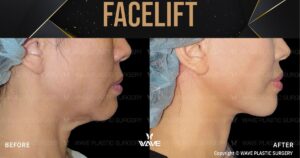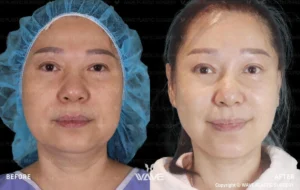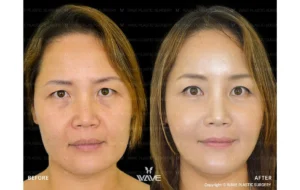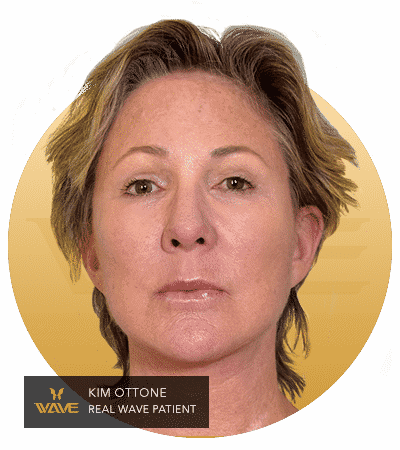



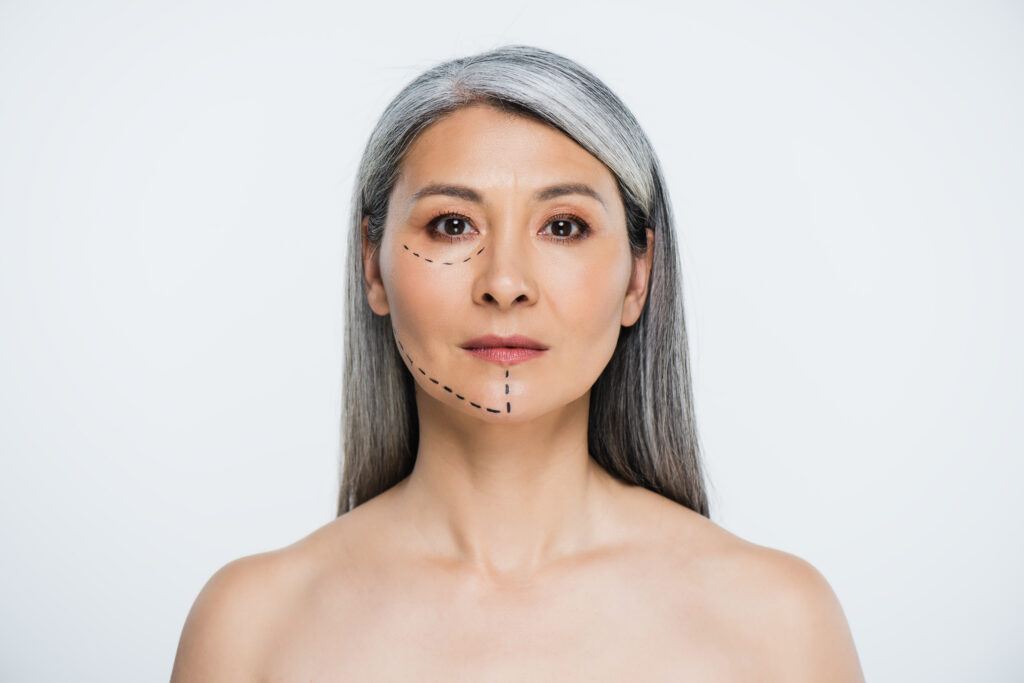
The deep plane facelift has gained significant attention in recent years as plastic surgeons and patients alike seek techniques that produce natural, long-lasting results. As surgical approaches continue to evolve, the “mini deep plane facelift” has emerged as a term describing a less extensive version of this advanced technique. But what exactly does this procedure entail, how does it differ from other facelift approaches, and is it the right choice for your facial rejuvenation goals?
At Wave Plastic Surgery, our board-certified plastic surgeons stay at the forefront of facial rejuvenation techniques, offering patients access to the most advanced approaches for achieving natural, beautiful results. Understanding the nuances of deep plane lifting—including the process, recovery expectations, and investment required—will help you make an informed decision about your aesthetic care.
Understanding Deep Plane Facelift Anatomy
To appreciate what makes the deep plane facelift different from other techniques, it’s important to understand facial anatomy and the various layers surgeons can address during facial rejuvenation surgery.
The face consists of several distinct layers. From superficial to deep, these include skin, subcutaneous fat, the SMAS (superficial musculoaponeurotic system), deeper fat compartments, and finally the facial bones. Traditional facelift techniques work primarily at the skin and SMAS levels, lifting and repositioning these structures to create a more youthful appearance.
The deep plane approach works at a deeper anatomical level. Rather than lifting the SMAS separately from deeper structures, deep plane lifting releases and repositions tissues in a composite unit that includes the SMAS, fat compartments, and overlying skin together. This composite movement more closely mimics the way facial tissues naturally descend with aging, potentially allowing for more anatomically correct repositioning.
Dr. Peter Lee emphasizes the fundamental principle that applies to all facelift techniques: “The key to any type of lifting in the face is not how much you actually pull and lift, but it’s about how much you really release that muscle before you pull.” This philosophy is particularly relevant to deep plane techniques, which require extensive release of retaining ligaments that tether facial tissues to underlying bone.
What is a Mini Deep Plane Facelift?
The term “mini deep plane facelift” is somewhat imprecise, as it can mean different things to different surgeons. Generally, it refers to a deep plane lifting technique performed through shorter incisions or with less extensive dissection than a full deep plane facelift. Some surgeons use this term to describe deep plane work focused primarily on the mid-face and jowl region, leaving the neck to be addressed through other means or not at all.
It’s worth noting that at Wave Plastic Surgery, our surgeons focus on customizing the surgical approach to each patient’s specific needs rather than applying predetermined categories like “mini” or “full” procedures. The extent of lifting, the planes of dissection, and the areas addressed are all tailored to your individual anatomy and goals.
Some procedures that might be considered similar to a mini deep plane facelift include the High SMAS Face and Neck Lift, which addresses the SMAS layer extensively while working in a plane that achieves many of the benefits attributed to deep plane techniques. The Wave Lift, while using endoscopic visualization, also works deep to the SMAS to release retaining ligaments before repositioning tissues.
The Deep Plane Facelift Process
Initial Consultation and Planning
Your journey toward facial rejuvenation begins with a comprehensive consultation. During this appointment, your surgeon will evaluate your facial anatomy, discuss your concerns and aesthetic goals, review your medical history, and explain which techniques can best achieve your desired outcome.
For patients considering deep plane approaches, assessment focuses on mid-face descent, jowl formation, nasolabial fold depth, and overall facial volume distribution. Your surgeon will examine skin quality, bone structure, and the degree of soft tissue ptosis (sagging) to determine whether a deep plane technique is appropriate.
Photography and sometimes computer imaging help visualize potential outcomes. Your surgeon will explain realistic expectations for improvement, discuss the recovery process, and answer all your questions about the procedure. This consultation is also an opportunity to ensure you feel comfortable with your surgeon and confident in their expertise.
Surgical Technique
Deep plane facelift surgery is typically performed under general anesthesia, though some surgeons offer IV sedation for selected cases. The procedure usually takes 2.5-4 hours, depending on the extent of work being performed and whether additional procedures like eyelid surgery or fat grafting are included.
Incisions for a mini deep plane facelift typically begin in the temporal hairline, continue down in front of the ear (following natural skin creases), wrap around the earlobe, and extend a short distance behind the ear. The “mini” designation may refer to limiting the extent of the post-auricular (behind the ear) incision, though this depends on how much skin needs to be redraped and removed.
After creating the incisions, the surgeon carefully elevates the skin to expose the underlying SMAS layer. The key distinction in deep plane technique comes next: rather than working superficial to the SMAS, the surgeon dissects deep to this layer, releasing the ligamentous attachments that tether facial tissues to bone.
This deep dissection must be performed with meticulous care to avoid injury to facial nerves, which run through this anatomical region. The facial nerve branches that control facial movement lie in proximity to the surgical field, making technical precision essential. This is one reason why deep plane techniques should only be performed by experienced, board-certified plastic surgeons who have specific training in this approach.
Once the deep tissues are adequately released, they can be repositioned vertically and posteriorly (upward and backward) to restore youthful contours. The SMAS and attached facial tissues are secured in their new position with sutures. Only after the deeper structures are repositioned does the surgeon redrape the skin, removing any excess without tension.
The goal of deep plane lifting is to achieve the actual lifting effect from repositioning deeper structures, not from pulling on skin. This approach theoretically reduces tension on skin incisions, potentially leading to better scar healing and more natural-looking results.
Key Differences from Other Facelift Techniques
Traditional SMAS facelifts work superficial to the SMAS layer, plicating (folding) or imbrication (overlapping) this tissue to create a lifting effect. The skin is then redraped over the tightened SMAS. This approach has been refined over decades and produces excellent results in experienced hands.
Deep plane techniques differ by working beneath the SMAS, releasing retaining ligaments, and moving facial tissues as a composite unit. Proponents argue this creates more natural movement of tissues and longer-lasting results. Critics note that the technique is more technically demanding and carries theoretical increased risk of nerve injury if not performed expertly.
The Wave Lift uses endoscopic visualization to work beneath the SMAS with minimal incisions. While technically not a “deep plane” procedure in the strictest sense, it shares the philosophy of extensively releasing deep attachments before lifting tissues. The endoscopic camera provides enhanced visualization that aids in safe, precise release of ligaments.
Ultimately, results depend more on the skill and experience of your surgeon than on which specific technique they employ. Board-certified plastic surgeons at Wave Plastic Surgery have extensive experience with various facelift approaches and will recommend the technique most likely to achieve your goals safely and effectively.
Recovery from Mini Deep Plane Facelift
Immediate Post-Operative Period
Immediately after surgery, you’ll have bandages wrapped around your face and head to minimize swelling and support healing tissues. Some surgeons place small drains beneath the skin to prevent fluid accumulation; these are typically removed within 1-2 days. You’ll go home the same day with detailed post-operative instructions and prescriptions for pain medication and antibiotics.
Most patients describe post-operative discomfort as tightness and pressure rather than severe pain. The pain medication prescribed should adequately control any discomfort. Swelling and bruising are expected and typically peak around day 2-3 after surgery.
You’ll need someone to drive you home after surgery and ideally stay with you for at least the first 24 hours. Plan to rest with your head elevated during the first few days, which helps minimize swelling. Cold compresses can be applied carefully to reduce swelling and discomfort, though you must avoid placing pressure directly on incision lines.
Week One
The initial bandage is usually removed after 1-2 days, replaced with a lighter facial garment that provides gentle compression. You can typically shower and wash your hair gently after bandage removal, avoiding direct water pressure on incision lines.
Swelling will be noticeable during this first week, along with possible bruising that may extend down to the neck. Your face will feel tight and somewhat numb, which is normal as sensory nerves recover from surgical manipulation. Most patients feel well enough to move around the house but aren’t yet ready for public outings.
Sutures are typically removed in stages. Some internal absorbable sutures dissolve on their own, while external sutures around the ears may be removed around day 5-7. Staples in the hairline, if used, are usually removed around day 10.
Weeks Two Through Four
Significant improvement in swelling occurs during this period. By week two, most patients have approximately 60-70% resolution of swelling. By three to four weeks, roughly 80% of swelling has subsided. At this point, with careful application of makeup, most people can return to work and social activities without obvious signs of recent surgery.
Residual swelling is typically more noticeable to you than to others. Your face may feel somewhat stiff, and facial movements might feel restricted. This is normal and improves gradually over the following weeks. Numbness persists in areas around the ears and lower face but begins to improve as nerves regenerate.
You can gradually resume light activities during weeks 2-4, though you should continue avoiding strenuous exercise, heavy lifting, and activities that significantly elevate blood pressure. Follow your surgeon’s specific guidelines about when to resume various activities.
Months Two Through Six
Continued refinement of results occurs during this period. Residual swelling slowly dissipates, allowing you to appreciate your final contours. Sensation continues returning to areas that felt numb, though complete sensory recovery can take 6-12 months. Scars gradually fade and mature, becoming less noticeable over time.
Most patients feel completely “normal” and are fully back to all activities by 6-8 weeks post-surgery. However, subtle improvements in swelling and scar appearance continue for several more months.
Long-Term Results
Deep plane facelift results, like all surgical facelift techniques, are long-lasting but not permanent. You’ll continue to age after surgery, though you’ll always look better than you would have without intervention. Most patients enjoy 7-10 years of significant improvement before considering any revision procedures.
Maintaining results requires attention to skincare, sun protection, and healthy lifestyle habits. Many patients enhance and prolong their surgical results with periodic non-surgical treatments like injectable fillers, Botox, and laser skin treatments.
Potential Risks and Complications
All surgical procedures carry inherent risks, and it’s important to understand these before proceeding with any facelift technique. While complications from facelift surgery are relatively uncommon when performed by experienced, board-certified plastic surgeons, they can occur.
Bleeding and Hematoma
The most common significant complication after facelift surgery is hematoma—a collection of blood beneath the skin. This occurs in approximately 1-3% of cases and is more common in men than women. Small hematomas may resolve on their own, while larger collections require surgical drainage.
At Wave Plastic Surgery, surgeons take multiple precautions to minimize bleeding risk, including meticulous surgical technique, careful blood pressure control during and after surgery, and placement of drains when appropriate. You’ll be instructed to avoid medications and supplements that increase bleeding risk for two weeks before surgery.
Nerve Injury
Facial nerve injury is a potential risk with any facelift technique but is of particular concern with deep plane approaches due to the proximity of nerve branches in the surgical field. Temporary weakness of facial muscles occurs occasionally and typically resolves completely within weeks to months as nerve inflammation subsides.
Permanent nerve injury is rare when surgery is performed by experienced surgeons who understand facial nerve anatomy. At Wave Plastic Surgery, all surgeons are board-certified and have performed thousands of facial procedures, providing the experience necessary to navigate this delicate anatomy safely.
Skin Necrosis
Compromised blood supply to skin edges can occasionally result in areas of skin loss (necrosis). This is more common in smokers, which is why surgeons require patients to stop smoking for several weeks before and after surgery. Proper surgical technique that avoids excessive tension on skin closure also minimizes this risk.
Scarring
While facelift incisions are carefully placed in natural skin creases and around the ears to minimize visibility, scars are an inherent part of any surgical procedure. Most patients find their scars fade significantly over 6-12 months and are easily concealed by hair and makeup. Rarely, patients develop thickened or widened scars that may require revision.
Asymmetry
Perfect symmetry doesn’t exist in nature, and your face has subtle asymmetries before surgery. Surgeons strive for balanced, symmetric results, but minor differences between the two sides of your face may persist or even become slightly more apparent after surgery. Significant asymmetry requiring revision is uncommon.
Infection
Surgical site infection is rare after facelift surgery, occurring in less than 1% of cases. Antibiotics are typically prescribed to minimize this risk. Signs of infection include increasing pain, redness, warmth, or drainage from incision sites. Prompt treatment with antibiotics usually resolves any infection that does develop.
Cost of Mini Deep Plane Facelift
The investment required for facial rejuvenation surgery varies significantly based on multiple factors. While specific pricing should be discussed during your consultation, understanding the components that influence cost helps set appropriate expectations.
Factors Affecting Cost
Surgeon’s fee: This represents the expertise, skill, and experience of your plastic surgeon. Board-certified plastic surgeons who have completed extensive training and have years of experience typically command higher fees than less qualified practitioners. However, this expertise translates to better results and lower complication rates, making it a worthwhile investment.
Facility fee: Surgery must be performed in a safe, accredited environment. Wave Plastic Surgery’s facilities are accredited by the Accreditation Association for Ambulatory Health Care (AAAHC), meeting stringent safety and quality standards. Facility fees cover operating room costs, equipment, and support staff.
Anesthesia fee: Board-certified anesthesiologists or certified nurse anesthetists administer anesthesia and monitor you throughout surgery. Their expertise ensures your safety and comfort during the procedure.
Geographic location: Costs vary significantly by region. Plastic surgery in major metropolitan areas like Los Angeles, San Francisco, and Orange County typically costs more than in smaller cities or rural areas due to higher overhead costs and greater demand for experienced surgeons.
Extent of surgery: A mini procedure with limited dissection costs less than a comprehensive facelift addressing the entire face and neck. Additional procedures performed simultaneously, such as eyelid surgery, brow lift, or fat grafting, increase the total investment but are often more cost-effective than staging multiple separate surgeries.
Post-operative care: Follow-up appointments, garments, and any necessary treatments during recovery are typically included in surgical fees, though you should clarify what’s covered during your consultation.
Typical Price Range
While prices vary based on the factors above, patients can generally expect to invest $15,000-$30,000 for facelift surgery at a reputable practice with board-certified surgeons. Less extensive procedures may fall at the lower end of this range, while comprehensive facelifts with additional procedures may exceed it.
It’s important to consider value rather than simply seeking the lowest price. Choosing a surgeon based primarily on cost can lead to disappointing results or complications that ultimately cost more to correct. Board certification, accredited facilities, experienced staff, and a surgeon’s artistic skill and judgment are worth the investment.
Financing Options
Wave Plastic Surgery understands that the investment in facial rejuvenation surgery is significant. We partner with PatientFi to offer flexible financing options that make procedures more accessible. These payment plans allow you to begin your transformation now while spreading the cost over manageable monthly installments.
Additionally, Wave Plastic Surgery honors our price match guarantee for qualifying procedures. If you find a comparable procedure at a lower cost from a qualified, board-certified plastic surgeon at an accredited facility, we’ll match that price, ensuring you receive the best value without compromising quality or safety.
Insurance Coverage
Cosmetic facelift surgery is considered elective and is not covered by health insurance. However, if you’re combining your procedure with functional surgery—such as correction of breathing problems during rhinoplasty or repair of vision obstruction during upper eyelid surgery—insurance may cover the functional component of your procedure.
Choosing the Right Surgeon for Deep Plane Facelift
Deep plane facelift techniques require advanced surgical skill and extensive experience with facial anatomy. Not all plastic surgeons perform deep plane procedures, and among those who do, skill levels vary significantly. Selecting the right surgeon is perhaps the most important decision you’ll make in your facial rejuvenation journey.
Board Certification
Ensure your surgeon is certified by the American Board of Plastic Surgery. This certification requires completion of rigorous training, including medical school, general surgery residency, plastic surgery residency, and passage of comprehensive examinations. Board-certified plastic surgeons must also maintain their certification through continuing medical education.
Beware of practitioners who claim to be “board certified” but don’t specify which board. Only certification by the American Board of Plastic Surgery guarantees your surgeon has completed training specifically in plastic and reconstructive surgery.
Experience with Facial Surgery
Within plastic surgery, surgeons often develop particular areas of expertise. For facial rejuvenation procedures, seek a surgeon who regularly performs facelifts and has specific experience with the techniques you’re considering. At Wave Plastic Surgery, our surgeons have performed thousands of facial rejuvenation procedures over their 20+ year careers.
Dr. Peter Lee, founder and CEO of Wave Plastic Surgery, is an Advanced ENDOTINE Bioskills surgeon educator and trainer, teaching other surgeons advanced endoscopic techniques. This level of expertise ensures you’re receiving care from surgeons at the forefront of facial rejuvenation surgery.
Before and After Photos
Review extensive before-and-after photos of patients who had similar concerns and procedures. Look for consistent, natural-looking results that demonstrate the surgeon’s aesthetic judgment and technical skill. Pay particular attention to photos of patients with similar facial structure, skin type, and degree of aging as yourself.
Consultation Experience
Your consultation should be comprehensive and unhurried. The surgeon should listen carefully to your concerns, examine your facial structure thoroughly, explain which techniques would work best for your situation, and provide realistic expectations about outcomes and recovery. You should feel comfortable asking questions and confident in the surgeon’s expertise.
Be cautious of surgeons who pressure you to schedule surgery immediately, promise unrealistic results, or seem more focused on selling procedures than on understanding your goals and ensuring you’re a good candidate.
Alternatives to Mini Deep Plane Facelift
Depending on your specific concerns and the degree of facial aging present, alternatives to deep plane facelift may better suit your needs.
Traditional SMAS Facelift
The High SMAS Face and Neck Lift works at the SMAS layer but doesn’t dissect deep to it. This time-tested approach produces excellent, long-lasting results and may be preferable for certain facial anatomies. Many surgeons argue that results from well-performed SMAS facelifts are comparable to deep plane techniques.
Endoscopic Facelift (Wave Lift)
The Wave Lift uses endoscopic technology to work beneath the SMAS through minimal incisions. This approach offers faster recovery than traditional facelifts while still addressing deeper facial structures. It’s particularly effective for younger patients with early to moderate facial aging.
Thread Lift
For patients not ready for surgical intervention, thread lifts provide lifting and collagen stimulation through minimally invasive techniques. While results are less dramatic and shorter-lasting than surgery, thread lifts offer a lower-commitment option for testing facial rejuvenation.
Non-Surgical Treatments
Combining injectable fillers, Botox, and advanced skin treatments like Morpheus8 or Ultherapy can produce noticeable improvement in mild to moderate facial aging. While not equivalent to surgical results, these treatments offer gradual enhancement without downtime or surgical risks.
Schedule Your Consultation at Wave Plastic Surgery
Determining whether a mini deep plane facelift or another facial rejuvenation approach is right for you requires expert evaluation and honest discussion about your goals. At Wave Plastic Surgery, our board-certified plastic surgeons provide comprehensive consultations that help you understand all your options and make informed decisions about your care.
With convenient locations in Los Angeles, Costa Mesa, San Francisco, Arcadia, and Rowland Heights, Wave Plastic Surgery brings world-class facial rejuvenation expertise to patients throughout California. Our surgeons have trained at prestigious institutions including Harvard, Yale, Stanford, and UCSF, and our facilities maintain AAAHC accreditation for the highest standards of safety and care.
Whether you’re interested in advanced surgical techniques like deep plane lifting or prefer to explore less invasive options first, our team has the experience and expertise to help you achieve natural, beautiful results. Contact us today at (888) 674-3001 to schedule your consultation and begin your journey toward renewed confidence and a more youthful appearance.
References
- American Society of Plastic Surgeons – Facelift Surgery Information – https://www.plasticsurgery.org/cosmetic-procedures/facelift
- American Board of Plastic Surgery – Verify Surgeon Certification – https://www.abplasticsurgery.org/
- Journal of Plastic and Reconstructive Surgery – Deep Plane Facelift Techniques – https://journals.lww.com/plasreconsurg/
- Accreditation Association for Ambulatory Health Care – Accreditation Standards – https://www.aaahc.org/