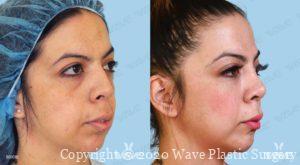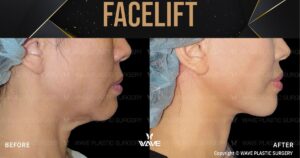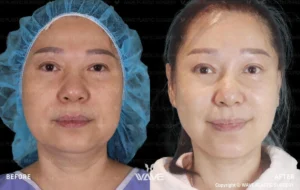



One of the most common questions patients ask after facelift surgery is when they can return to their preferred sleeping position. If you’re a side sleeper, the answer requires patience. Most plastic surgeons recommend waiting at least two to three weeks before attempting to sleep on your side, and for many patients, a full four to six weeks of elevated back sleeping produces the best results.
The reason for this strict sleeping position guideline is simple: protecting your surgical results. During the early stages of facelift recovery, your facial tissues are healing and settling into their new position. Pressure from side sleeping can cause several complications, including increased swelling on the compressed side, disrupted suture lines, and potential compromise to the delicate healing process that determines your final aesthetic outcome.
Understanding the Facelift Recovery Timeline
To appreciate why sleeping position matters so much, it helps to understand what’s happening during each phase of your recovery. Whether you’ve undergone a traditional High SMAS facelift or the minimally invasive Wave Lift, your body follows a predictable healing pattern that influences when you can safely resume normal sleeping habits.
Week 1-2: Critical Healing Phase
The first two weeks after your facelift represent the most critical healing period. During this time, approximately 60-80% of visible swelling develops and begins to resolve. Your surgeon will likely place a compression garment or head bandage immediately after surgery to minimize swelling and support the newly positioned tissues. This bandage typically remains in place for the first 24-48 hours.
According to the American Society of Plastic Surgeons, maintaining head elevation at a 30-45 degree angle during this initial phase significantly reduces postoperative swelling and promotes optimal blood flow to healing tissues. Sleeping flat or on your side during this period can cause blood to pool in your face, leading to prolonged swelling, increased bruising, and potentially compromised results.
Most patients can shower and wash their hair after the first two days, but must continue sleeping in an elevated, back-lying position. Sutures are typically removed after 10-14 days, marking the end of the most vulnerable healing phase.
Week 3-4: Transition Period
By week three, about 80% of visible swelling has resolved for most patients. While you may feel tempted to return to side sleeping at this point, proceeding with caution remains essential. The facial tissues are still settling, and internal healing continues well beyond what’s visible externally. Some patients who attempt side sleeping too early notice that the side they sleep on appears more swollen the following morning—a clear sign that the tissues aren’t ready for that position.
If you must try side sleeping during this period, consider using a travel neck pillow to prevent direct facial contact with your pillow. Position the pillow so your face hovers in the center opening while your neck and shoulders provide support. This technique allows a more comfortable position without applying pressure directly to your healing facial tissues.
Week 5-6 and Beyond: Gradual Return to Normal
Most surgeons give clearance for cautious side sleeping after the four to six week mark. However, “clearance” doesn’t mean immediately resuming your pre-surgery sleeping habits. The transition should be gradual, starting with short periods and monitoring how your face responds.
Even after six weeks, some residual swelling persists—though it may not be visible to the naked eye. Complete resolution of all swelling can take up to six months for traditional facelifts. During this extended healing period, patients often notice that their face appears slightly fuller in the morning, especially after side sleeping, with improvement throughout the day as gravity helps drain excess fluid.
Why Sleeping Position Matters After Facelift Surgery
The importance of proper sleeping position after facelift surgery cannot be overstated. When you undergo facial rejuvenation, your surgeon carefully repositions the deeper structural layers of your face—particularly the SMAS (superficial musculoaponeurotic system) in traditional facelifts. These tissues need time to heal in their new position without disruption.
Swelling Management
Gravity plays a significant role in postoperative swelling. When you sleep flat or on your side, fluid accumulates in your facial tissues due to reduced lymphatic drainage. This not only prolongs swelling but can also create asymmetry if you consistently favor one side. Sleeping elevated with your head above your heart helps fluid drain naturally, reducing both the severity and duration of postoperative edema.
Research published in the Aesthetic Surgery Journal indicates that patients who maintain strict head elevation for at least two weeks experience less prolonged swelling and achieve their final results more quickly than those who don’t follow sleeping position guidelines.
Incision Healing
Whether you’ve had a traditional facelift with incisions around the ears and into the hairline or a less invasive procedure like the Wave Lift, protecting your incisions during the critical first weeks determines how well they heal. Pressure from side sleeping can pull on healing incision sites, potentially leading to wider scars or, in rare cases, wound separation. While serious complications are uncommon with proper care, why risk compromising your investment in facial rejuvenation?
Tissue Integration
During a facelift, your surgeon doesn’t simply pull skin tight—they reposition the underlying facial structures to create natural, long-lasting results. These repositioned tissues need time to integrate with surrounding structures through a process called fibrosis, where new collagen forms connections that maintain your new contours. Disrupting this process with premature pressure from side sleeping can affect how well your tissues settle into their new position.
Tips for Comfortable Back Sleeping During Recovery
If you’re not naturally a back sleeper, the prospect of weeks in this position may seem daunting. However, with the right setup and strategies, most patients adapt within a few days. Here are expert recommendations to make your recovery more comfortable.
Create the Perfect Sleep Environment
Invest in a quality wedge pillow or adjustable bed that maintains your upper body at a 30-45 degree angle. Standard bed pillows often shift during the night, causing you to wake up in unsafe positions. A wedge pillow provides consistent elevation and makes it easier to stay on your back throughout the night. Many patients find that placing standard pillows on either side of their body creates a barrier that prevents unconscious rolling.
Consider sleeping in a recliner for the first week if back sleeping in bed proves too challenging. Recliners naturally maintain proper elevation and make it difficult to roll onto your side. Some patients find this so comfortable that they continue using the recliner for several weeks beyond what’s strictly necessary for medical reasons.
Manage Discomfort
While facelift surgery isn’t typically described as painful, you will experience some discomfort, tightness, and numbness during recovery. Taking prescribed pain medication before bed can help you sleep more soundly in an unfamiliar position. Most patients find that Extra Strength Tylenol is sufficient after the first few days, though your surgeon may prescribe stronger medication if needed.
Apply cold compresses before bed to reduce swelling and create a more comfortable sleeping experience. Use frozen peas or gel packs wrapped in a soft cloth—never apply ice directly to your skin. The compression garment your surgeon provides also helps reduce swelling and can make you feel more secure during sleep.
Distraction Techniques
Those first few nights can be challenging as you adjust to sleeping on your back while managing post-surgical sensations. Consider listening to podcasts, audiobooks, or white noise to help you relax and fall asleep. Many patients find that guided meditation or progressive muscle relaxation exercises help them settle into this unfamiliar position.
Maintain a consistent sleep schedule and avoid caffeine in the afternoon and evening. The better rested you are overall, the easier you’ll find it to fall asleep in any position. Remember that good sleep is essential for healing—your body does its most important repair work while you’re sleeping.
Special Considerations for Different Facelift Types
The specific type of facelift you’ve had influences your sleeping restrictions and recovery timeline. Understanding these differences helps you follow the most appropriate guidelines for your situation.
Traditional High SMAS Facelift
The High SMAS facelift involves the most extensive tissue repositioning and typically requires the longest period of sleep position restrictions. Because the surgeon works with deeper facial structures, allowing adequate healing time before resuming side sleeping becomes even more critical. Most surgeons recommend waiting a full six weeks before attempting any side sleeping after this comprehensive procedure.
Patients who undergo simultaneous fat grafting with their facelift may need even longer restrictions, as the transferred fat cells need time to establish a blood supply in their new location. Pressure from premature side sleeping can compromise fat graft survival.
Wave Lift (Mini Facelift)
The Wave Lift, Wave Plastic Surgery’s signature minimally invasive facelift technique performed with endoscopic assistance, typically allows for a somewhat quicker return to normal sleeping positions. Because the incisions are more limited and the tissue manipulation is less extensive, many patients receive clearance to try side sleeping after three to four weeks rather than six.
However, even with this less invasive approach, the first two weeks of strict back sleeping remain non-negotiable. The same principles of reducing swelling and protecting healing tissues apply regardless of the technique used.
Neck Lift or Combined Procedures
If your facelift includes a neck lift or other combined procedures like brow lift or eyelid surgery, your sleeping position becomes even more important. The neck is particularly sensitive to positioning during recovery, and many patients find that they need to maintain back sleeping longer when the neck is involved in their procedure.
What Happens If You Accidentally Sleep on Your Side?
Despite your best intentions, you might wake up one morning to discover you’ve rolled onto your side during the night. Don’t panic—an occasional brief period of side sleeping, especially in the later recovery stages, is unlikely to cause significant problems. However, consistently sleeping on your side too early can lead to complications.
Immediate Effects
The most noticeable immediate effect of premature side sleeping is increased swelling on the side you slept on. This asymmetric swelling typically resolves within a few hours to a day as you return to proper positioning. You may also experience increased discomfort or tightness on that side.
If you notice any drainage from incision sites, increased redness, or signs of incision separation after side sleeping, contact your surgeon immediately. While rare, these signs could indicate that pressure from side sleeping has compromised healing.
Long-Term Concerns
Repeated premature side sleeping can potentially affect your final results by disrupting tissue healing and integration. In most cases, the effects are subtle and may simply mean that your final results take longer to appear. However, in some situations, premature side sleeping can contribute to asymmetry or less optimal tissue settling.
The best approach if you find yourself frequently rolling onto your side unconsciously is to implement better barriers and possibly continue sleeping in a recliner until you’re past the critical healing phase.
Alternative Sleep Positions and Strategies
While back sleeping remains the gold standard during facelift recovery, some patients find creative solutions that provide comfort while still protecting their results.
The Travel Pillow Technique
As mentioned earlier, a travel neck pillow can serve as a transitional tool during the later stages of recovery. Position the pillow so your face hovers in the center hole while your neck and head rest on the pillow’s curves. This technique allows some of the positional comfort of side sleeping without placing direct pressure on your face.
The Recliner Solution
Many patients find that sleeping in a recliner solves multiple problems simultaneously. Recliners naturally maintain proper elevation, make side rolling nearly impossible, and often provide better support for finding comfortable arm and leg positions. If you have a quality recliner at home, consider it your recovery headquarters for the first few weeks.
Body Pillow Barriers
Placing body pillows or rolled blankets on either side of your torso creates physical barriers that prevent unconscious rolling. This strategy works particularly well for habitual side sleepers who have the willpower to stay on their back when awake but struggle with unconscious position changes during sleep.
Signs You’re Ready to Resume Side Sleeping
Rather than simply following a calendar, pay attention to signals from your body that indicate readiness for position changes. These signs suggest that your tissues have healed sufficiently to tolerate side sleeping.
Resolved Swelling
By the time you’re ready for side sleeping, the majority of your swelling should have resolved. Your face should look relatively normal, even if you can still detect some subtle fullness that isn’t visible to others. More importantly, you should no longer notice significant changes in swelling throughout the day or increased puffiness after being horizontal.
Surgeon Approval
Never resume side sleeping without explicit approval from your surgeon. At your follow-up appointments, discuss your sleeping position and ask for specific guidance on when you can transition. Your surgeon can assess your individual healing progress and provide personalized recommendations.
No Discomfort with Pressure
When you press gently on various areas of your face, there should be no pain, tenderness, or unusual sensations. If certain areas remain sensitive to touch, they’re likely not ready for the sustained pressure of side sleeping.
Protecting Your Investment Long-Term
Your facelift represents a significant investment in your appearance and confidence. While the strict sleeping position requirements are temporary, developing good sleep habits can help protect and prolong your results.
Silk Pillowcases
Even after you’re cleared for side sleeping, consider investing in silk or satin pillowcases. These smooth fabrics create less friction against your skin than traditional cotton, reducing the formation of sleep lines and potentially helping your results last longer. Many dermatologists and plastic surgeons recommend silk pillowcases for all their patients regardless of whether they’ve had surgery.
Consistent Skincare
The facial rejuvenation you’ve achieved through surgery deserves protection through quality skincare. Work with your surgical team to develop a skincare routine that includes sun protection, moisturization, and appropriate anti-aging ingredients once your incisions have fully healed.
Regular Follow-Up
Maintain regular follow-up appointments with your surgeon, even after you’re fully healed. These visits allow your surgeon to monitor your long-term results and provide guidance on maintaining your rejuvenated appearance. Many patients explore complementary non-surgical treatments like neuromodulators or dermal fillers to enhance and extend their surgical results.
The Bottom Line
The question “when can I sleep on my side after facelift?” doesn’t have a one-size-fits-all answer, but most patients should plan for at least four to six weeks of back sleeping for optimal results. This temporary inconvenience is a small price to pay for the dramatic, long-lasting improvement that facelift surgery provides.
Remember that every patient heals at their own pace, and factors like age, skin quality, surgical technique, and individual healing ability all influence your recovery timeline. The most important thing you can do is follow your surgeon’s specific instructions and resist the temptation to rush back to your normal sleeping position before your tissues are ready.
If you’re considering facelift surgery and have concerns about the recovery process, discussing these details during your consultation can help you prepare mentally and practically for the experience. Most patients find that the temporary adjustment to back sleeping is far easier than anticipated, especially when they understand why it matters and have strategies in place for comfort.
Schedule Your Personalized Consultation
Ready to explore your facial rejuvenation options? The experienced team at Wave Plastic Surgery offers comprehensive facelift solutions across our locations in Los Angeles, Orange County, San Francisco, Arcadia, and Rowland Heights. Dr. Peter Lee and his colleagues specialize in techniques ranging from traditional High SMAS facelifts to the minimally invasive Wave Lift, customizing each approach to your unique anatomy and aesthetic goals.
During your private consultation, we’ll discuss your concerns, evaluate your facial anatomy, explain which technique best suits your needs, and provide detailed information about the recovery process—including exactly when you can return to your preferred sleeping position. Contact Wave Plastic Surgery at (888) 674-3001 to schedule your consultation and take the first step toward a more youthful, refreshed appearance.
References
American Society of Plastic Surgeons – Facelift Recovery Guide https://www.plasticsurgery.org/cosmetic-procedures/facelift/recovery
Aesthetic Surgery Journal – Impact of Head Elevation on Postoperative Swelling https://academic.oup.com/asj
National Institutes of Health – Wound Healing and Surgical Recovery Timeline https://www.ncbi.nlm.nih.gov/books/NBK531467/
American Board of Facial Plastic and Reconstructive Surgery – Rhytidectomy Best Practices https://www.abfprs.org